
Wound Care Plan

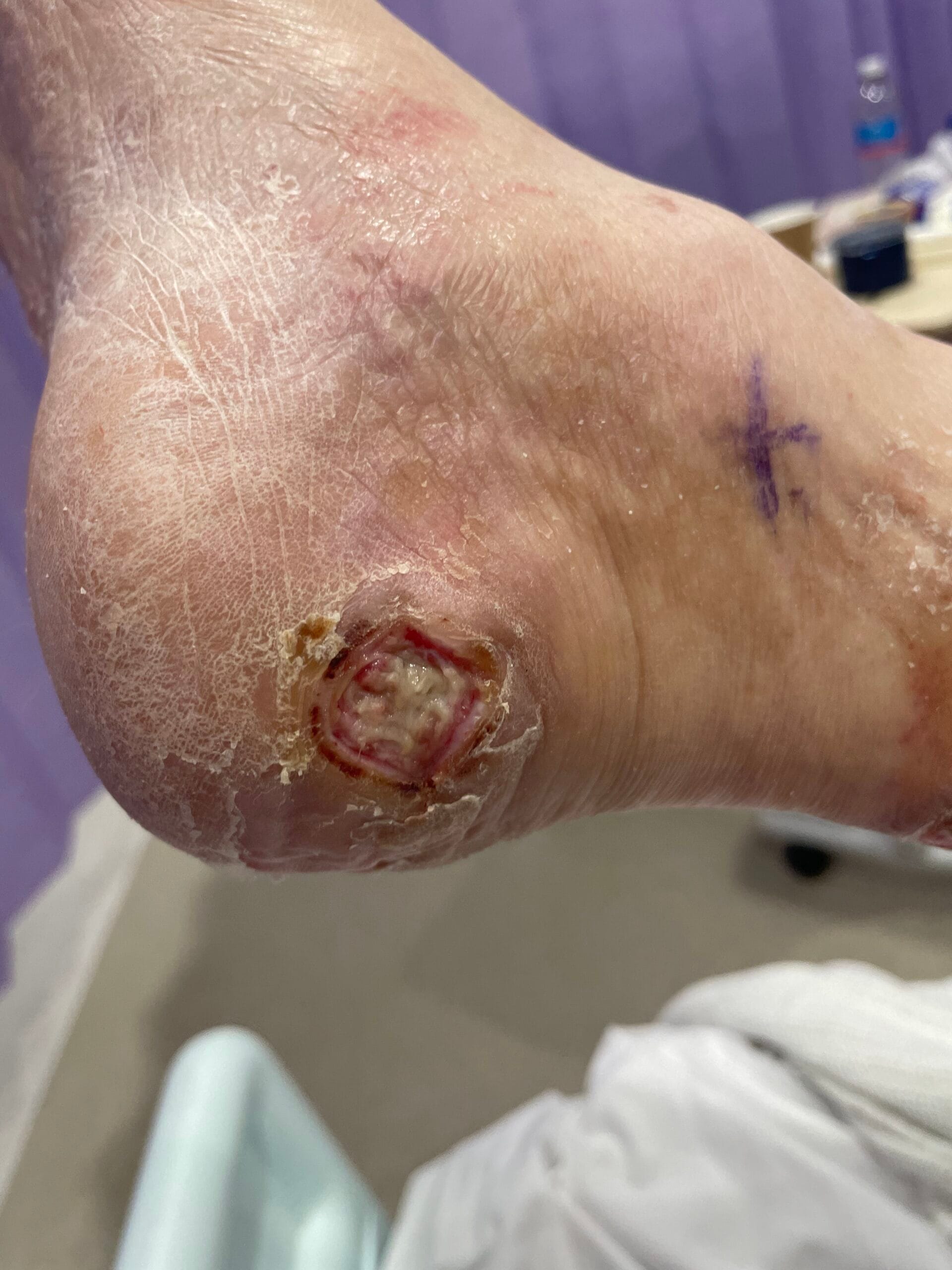
Diabetic Foot Ulcer – General Practitioner

Last Updated
15 April 2026

Quick Overview

Reference ID Number: PH-WCP-005

Categories

Scope of Practice (ScOP) Designation

Treatment Goals

Remove cellular debris via mechanical or sharp debridement to support healing by secondary intention, alongside management of venous insufficiency.

Aim of Dressing

Perform debridement of non-viable tissue as tolerated by the patient and initiate compression therapy to a level of patient compliance and comfort.

Frequency of Dressing Change

2 Days(s) Min - 3 Days (Max)

Consult(s) / Diagnostic Test Required

Ankle Brachial Index/Toe Pressures

Product Selection Disclaimer:

The wound care products being currently used are a suggestion ONLY. They do not take into account your patient's individual needs which you must assess. No funding from medical companies has been provided and wound care products are chosen on their merit and what is available on the NSW Health State Wound Care Contract. Where an exact brand name product is not available we suggest you review the alternative tab or use another wound care product from its category eg. Hydrofibre

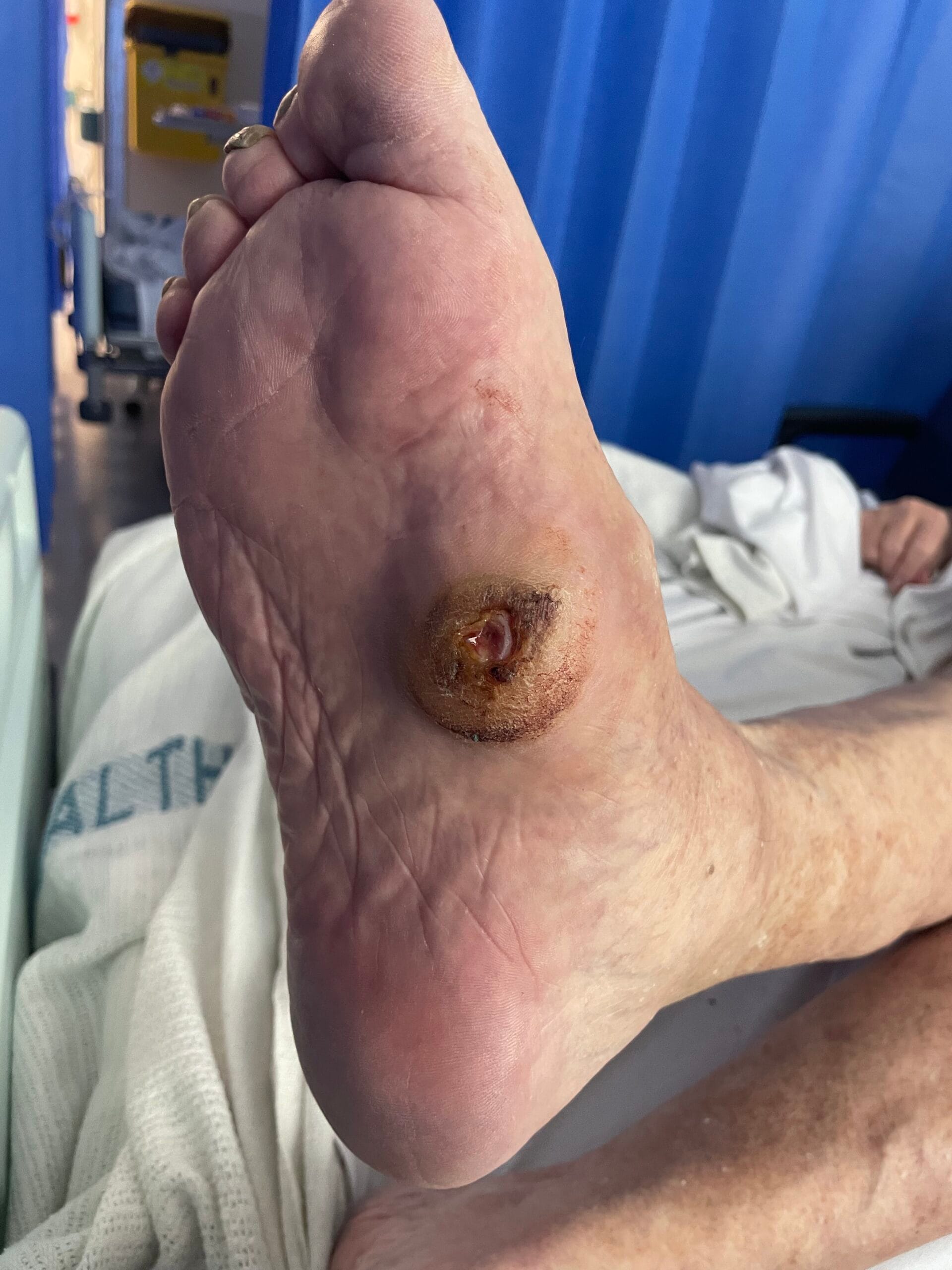
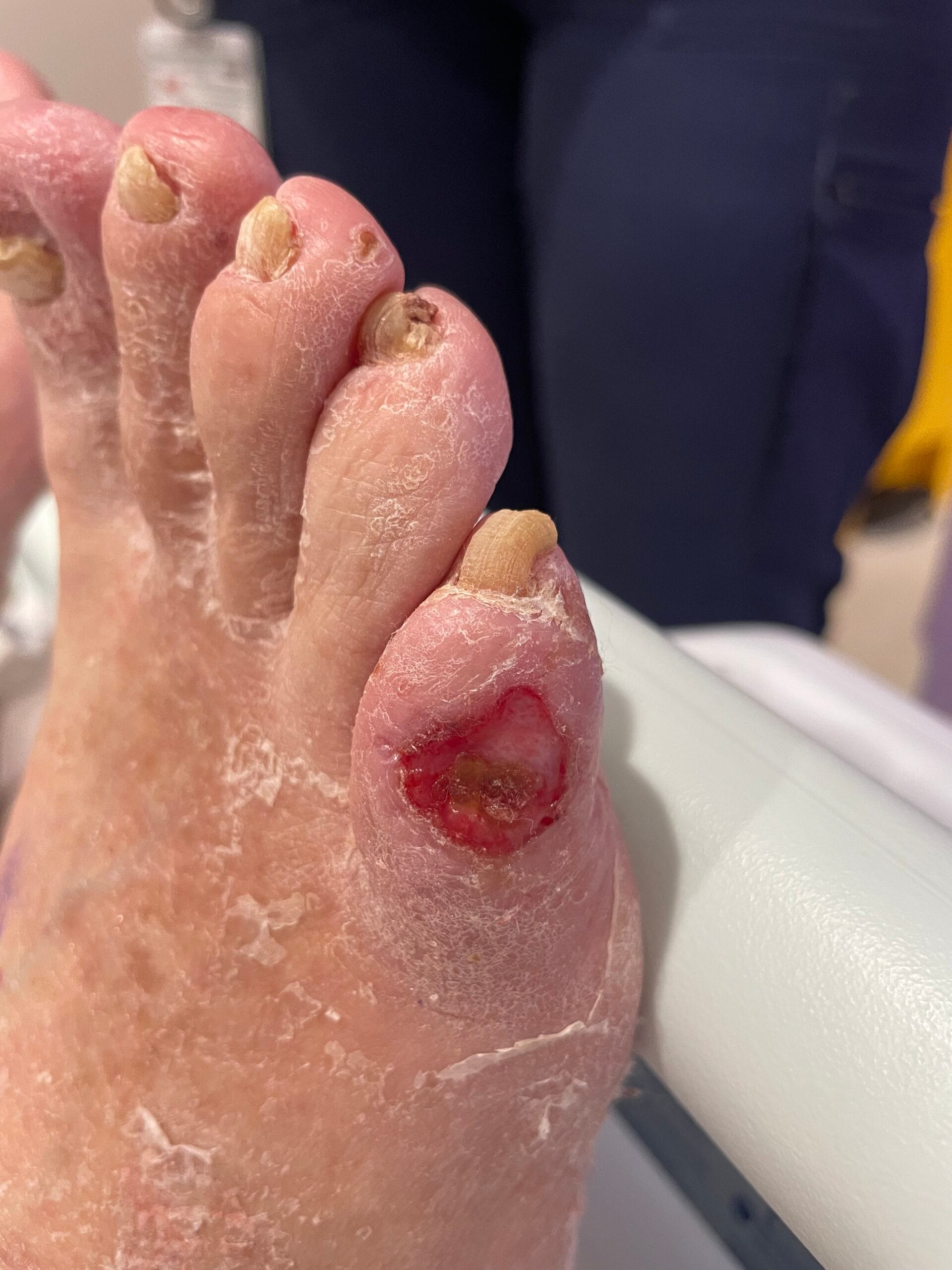
Photo Gallery
Care Plans

Mechanical Debridement

The patient has a non-infected diabetic foot ulcer requiring mechanical debridement.

 Swipe 
Step 1

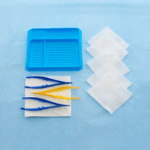
Setup sterile field

Prepare a sterile field and arrange all sterile products using aseptic technique.
Products Used
Step 2

Cleanse the wound bed

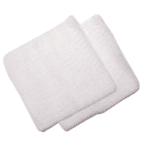
Cleanse the wound bed using normal saline and sterile gauze.
Products Used
Step 3

Mechanical debridement

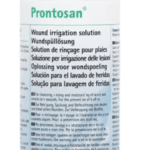
Use gauze soaked in Prontosan to gently scrub the wound bed, removing bioburden, visible cellular debris, and devitalised tissue.
Products Used
Step 4

Apply primary dressing

Once the wound is cleaned, apply UrgoClean adhesive side down. For deeper wounds, cut to size and pack into the wound bed, then overlay with remaining dressing as required.
Products Used
Step 5

Apply Secondary dressing

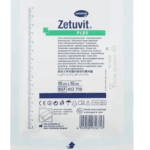
Cover with secondary dressing
Products Used
Step 6

Secure

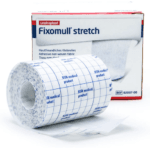
Fix in place using tape or cotton bandage, followed by crepe bandaging.
Products Used

Sharp Debridement with silver dressing

The patient has an infected diabetic foot ulcer requiring sharp debridement.

 Swipe 

Before the procedure begins

Assess the pain tolerance

If the wound area is highly sensitive, consult the Medical Officer regarding the use of local anaesthesia, allowing approximately 30 minutes for full effect.
Products Used
Step 1

Setup sterile field

Prepare a sterile field and arrange all sterile products using aseptic technique.
Products Used
Step 2

Clean the wound

Cleanse the wound bed using normal saline and sterile gauze.
Products Used
Step 3

Mechanical debridement

Use gauze soaked in Prontosan to gently scrub the wound bed, removing bioburden, visible cellular debris, and devitalised tissue.
Products Used
Step 4

Sharpe Debridement

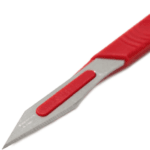
Where mechanical debridement is insufficient, and if within scope of practice, undertake sharp debridement to remove devitalised tissue using a scalpel.
Products Used
Step 5

Apply Primary Dressing

Once the wound is cleaned, apply UrgoClean Ag sticky side down. If the wound has depth, shape and pack the dressing into the wound, then overlay with the remaining portion as required.
Products Used
Step 6

Apply Secondary dressing

Cover with secondary dressing
Products Used
Step 7

Secure

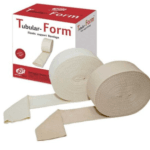
Secure the dressing with tape or an appropriately fitted tubular dressing.
Products Used
You’re viewing our EULA. To continue using the site, please accept the EULA (version 2026-01-07).
Decline