
Wound Care Plan

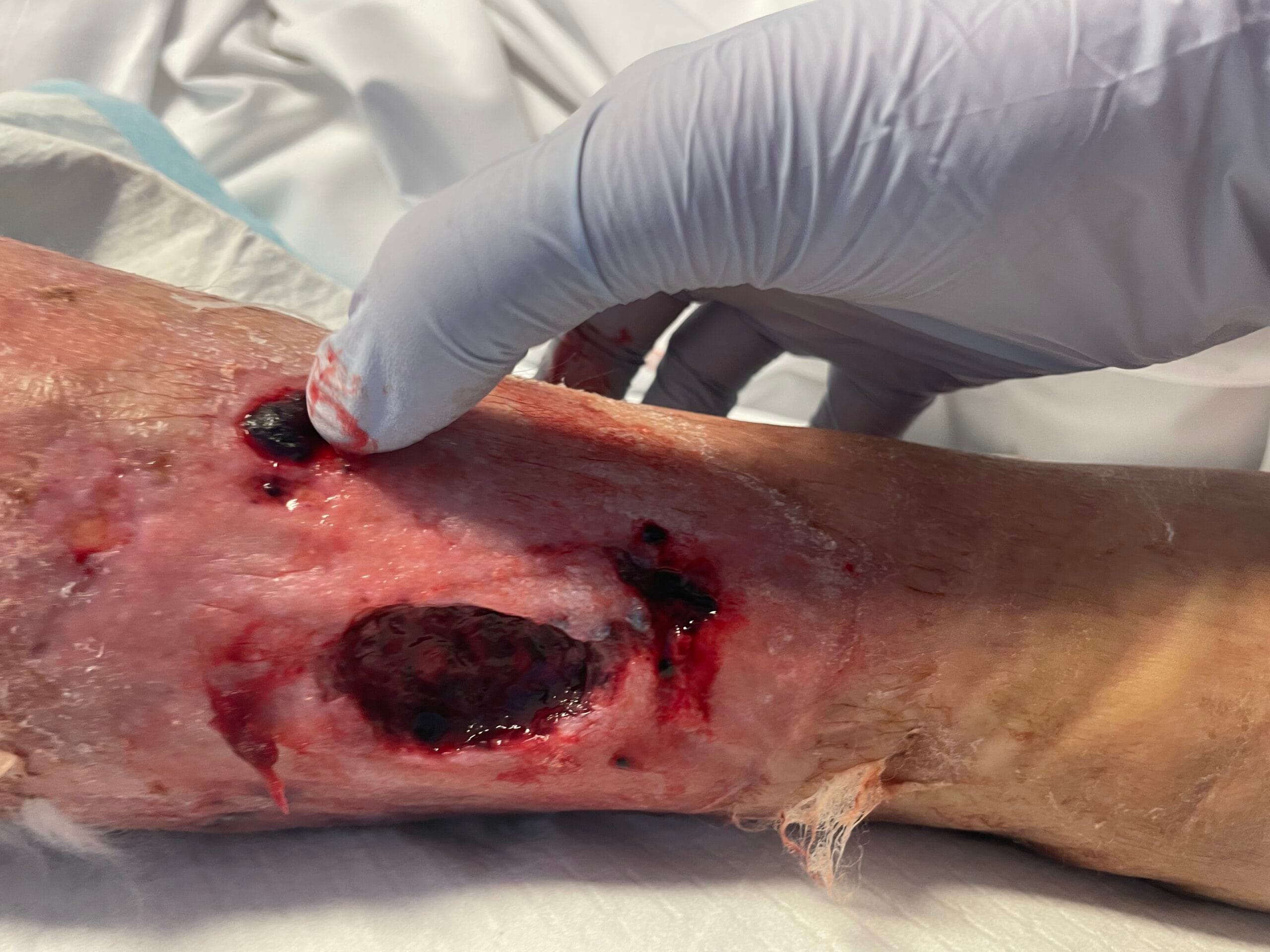
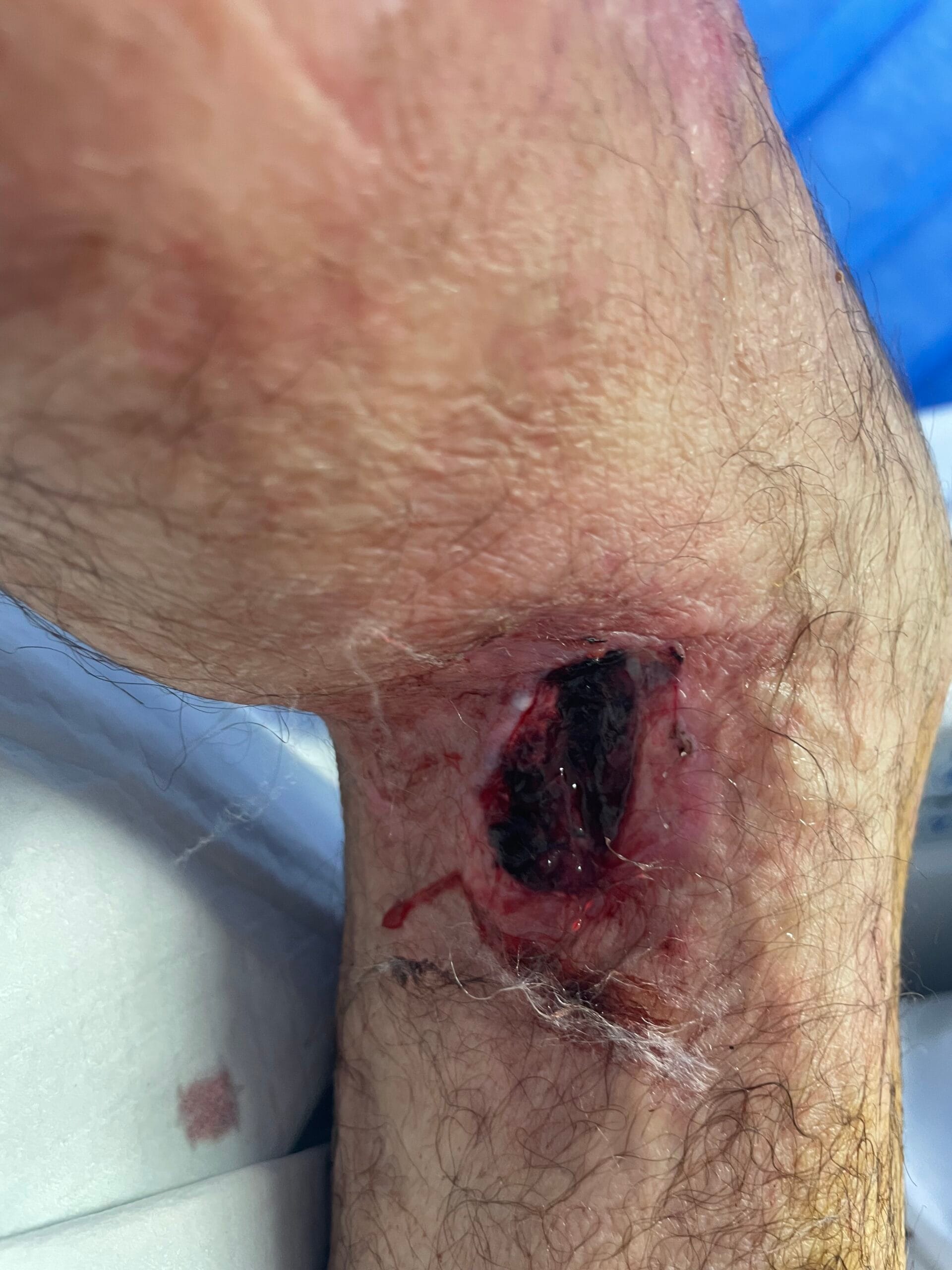
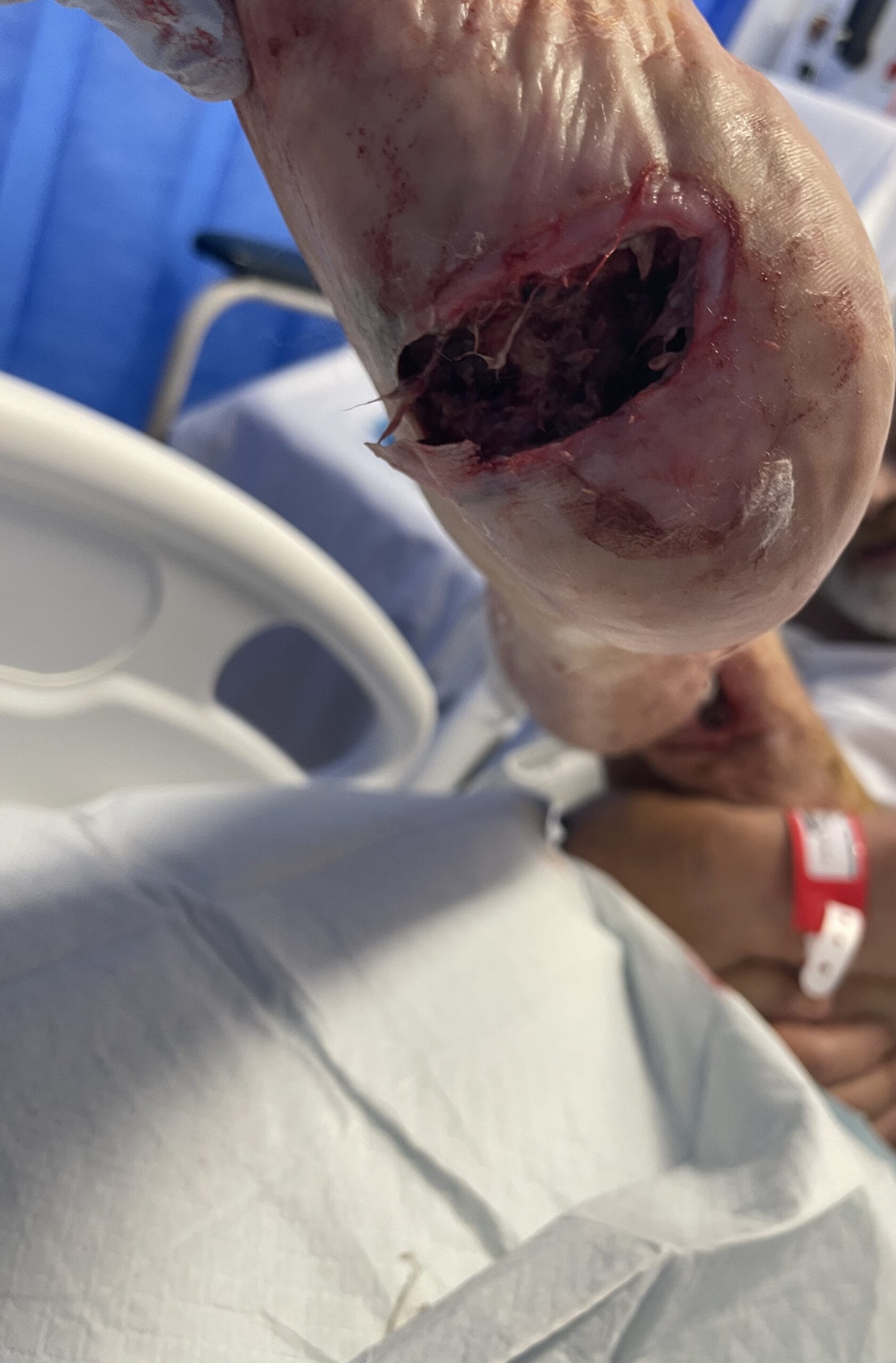
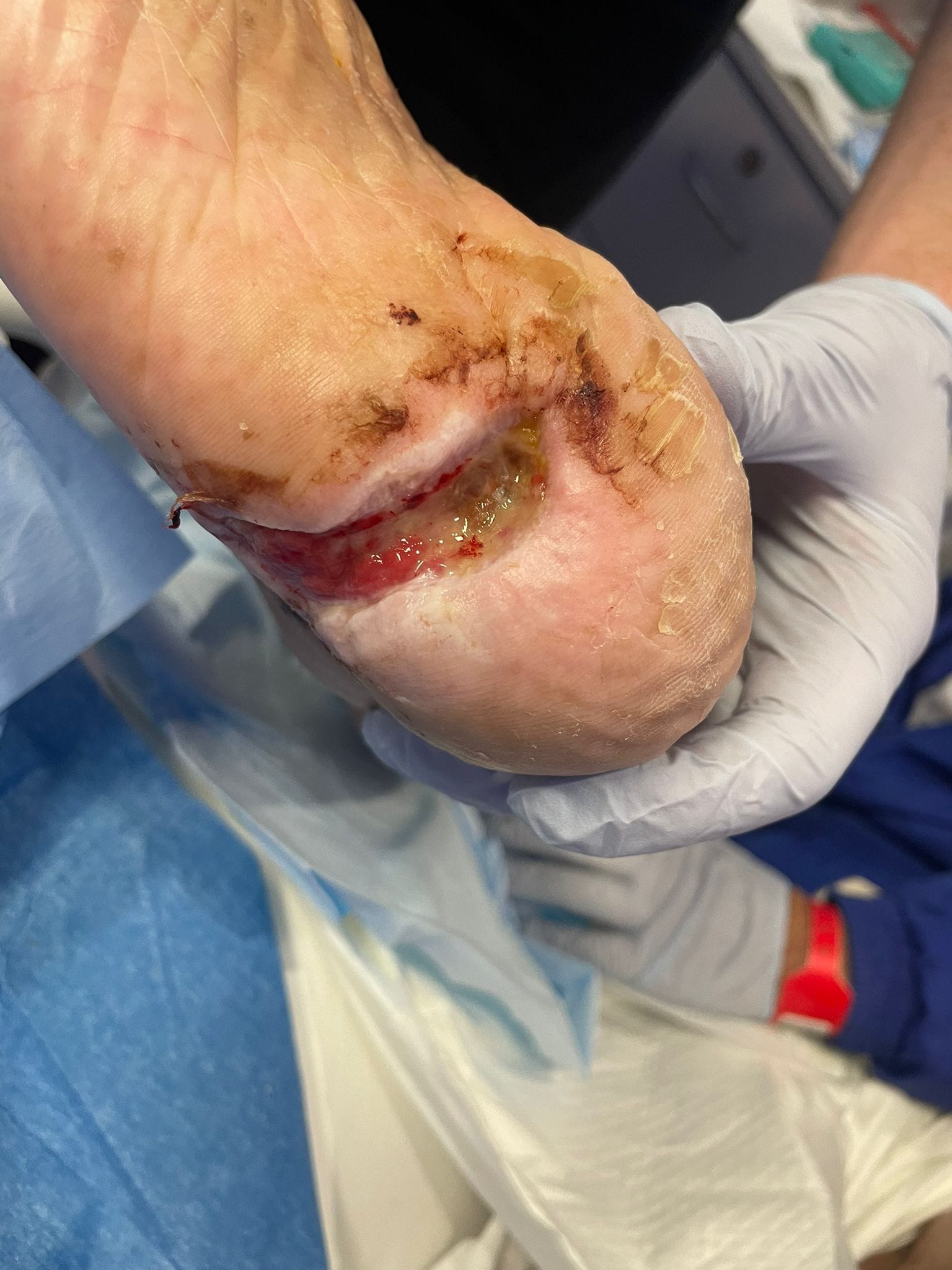
Arterial Ulcer

Last Updated
15 April 2026

Quick Overview

Reference ID Number: WL-WCP-06

Categories

Scope of Practice (ScOP) Designation

Treatment Goals

To treat arterial insufficiency contributing to ulcer development and maintain a moist wound environment to support healing.

Aim of Dressing

To provide optimal moist wound healing conditions to facilitate granulation tissue development.

Frequency of Dressing Change

2 Days(s) Min - 7 Days (Max)

Consult(s) / Diagnostic Test Required

Arterial Duplex, Angiogram (after Vascular Surgery Consult) +/- Stenting/Ballooning

Product Selection Disclaimer:

The wound care products being currently used are a suggestion ONLY. They do not take into account your patient's individual needs which you must assess. No funding from medical companies has been provided and wound care products are chosen on their merit and what is available on the NSW Health State Wound Care Contract. Where an exact brand name product is not available we suggest you review the alternative tab or use another wound care product from its category eg. Hydrofibre

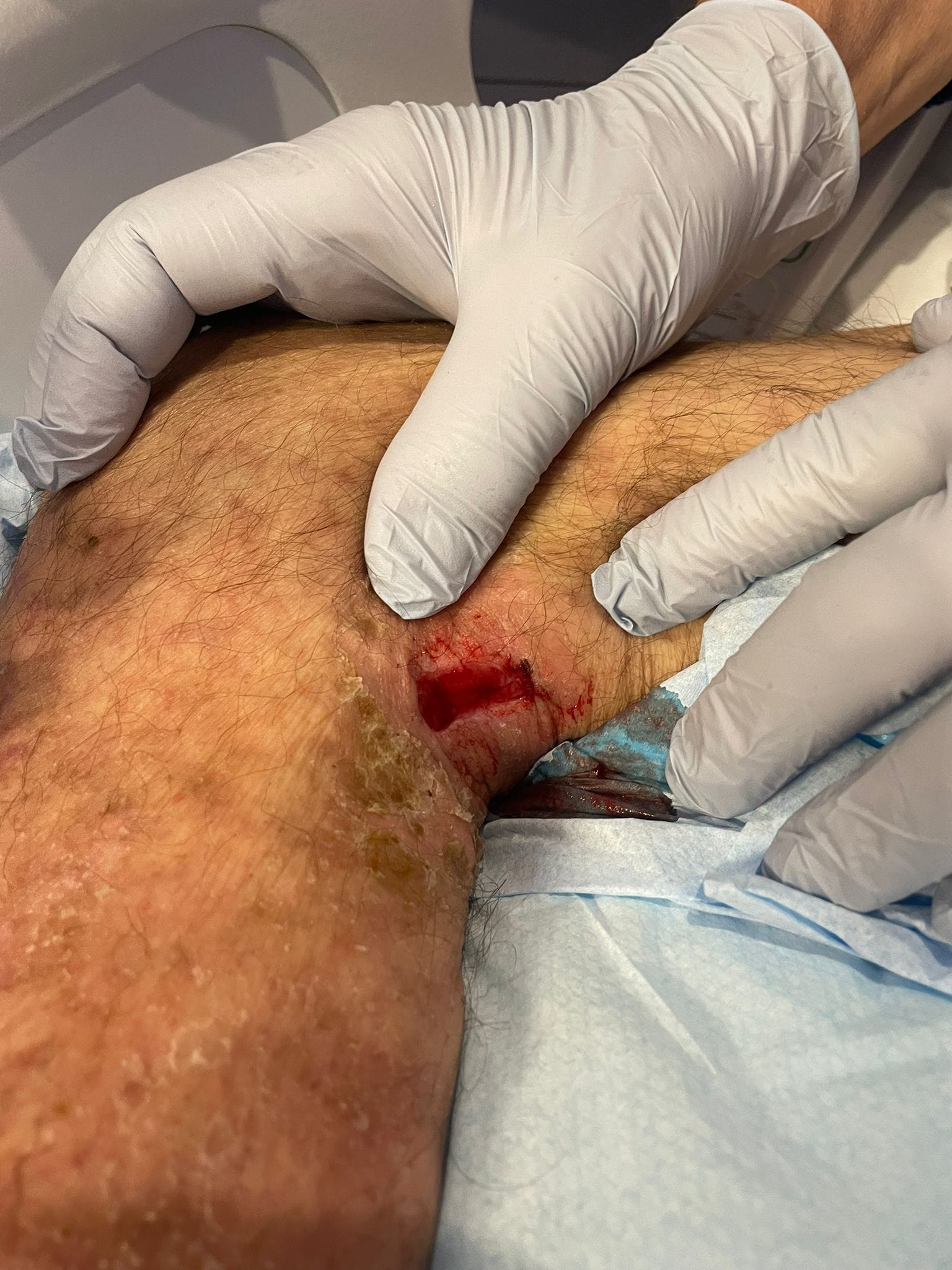
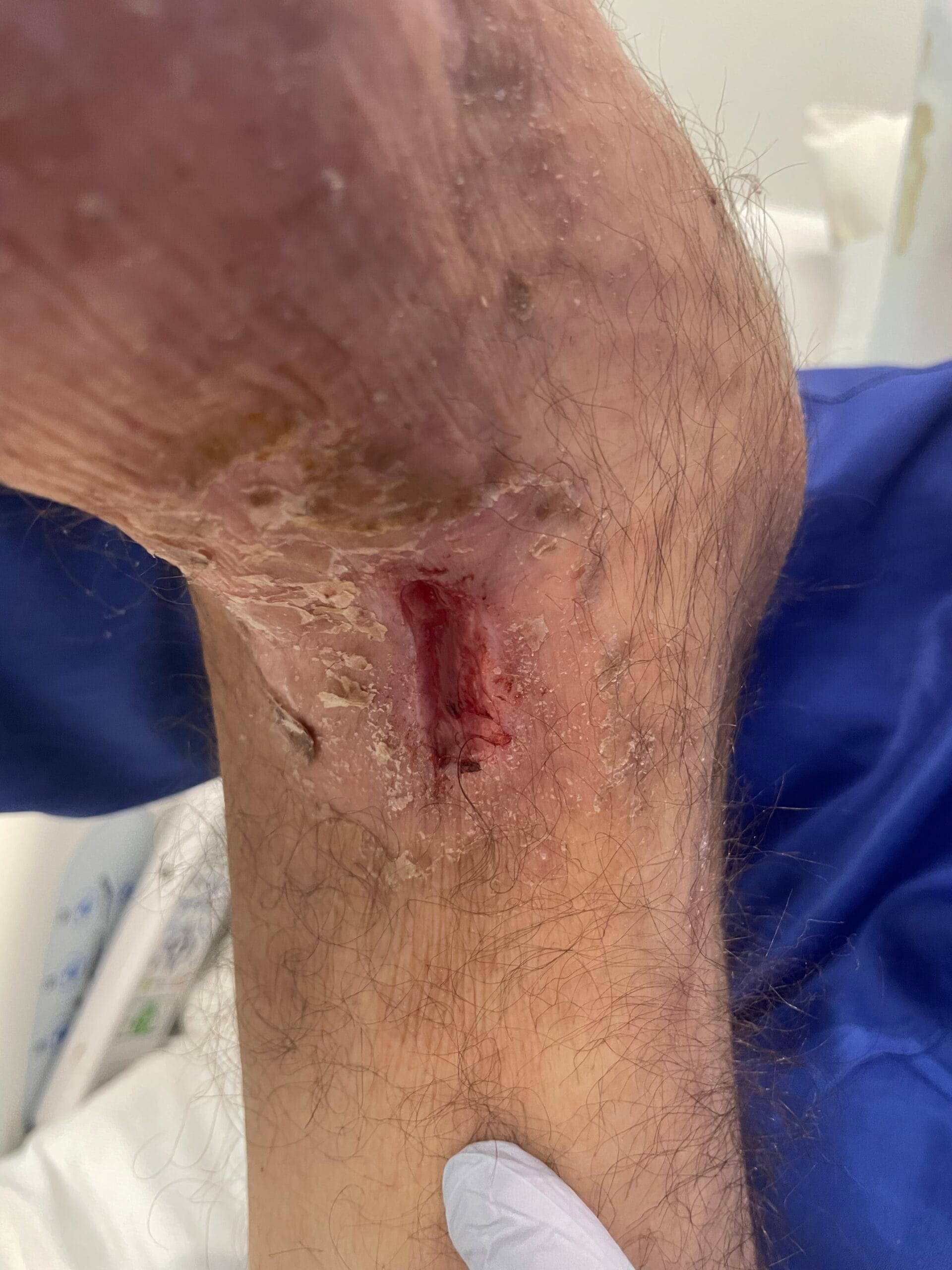
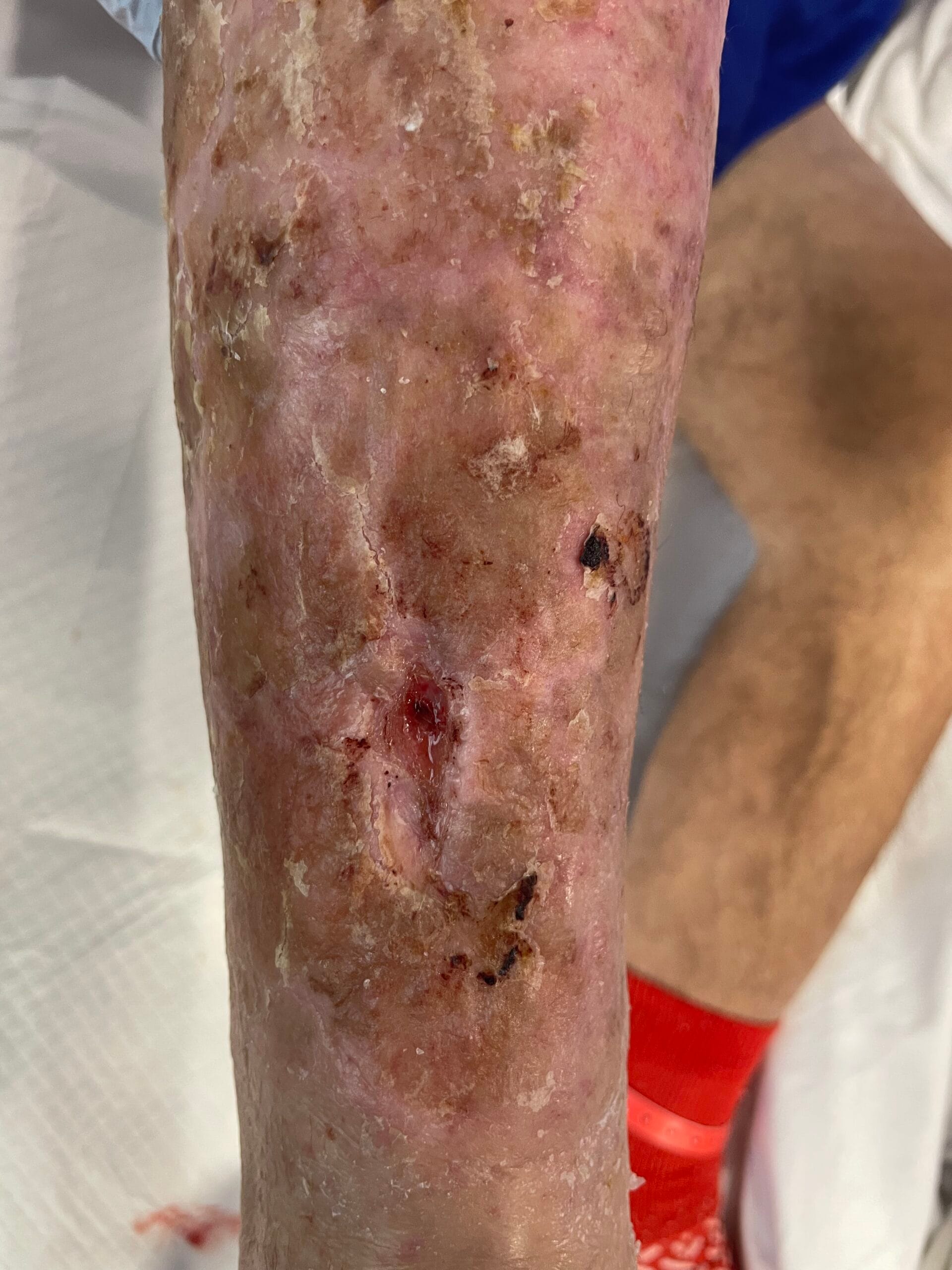
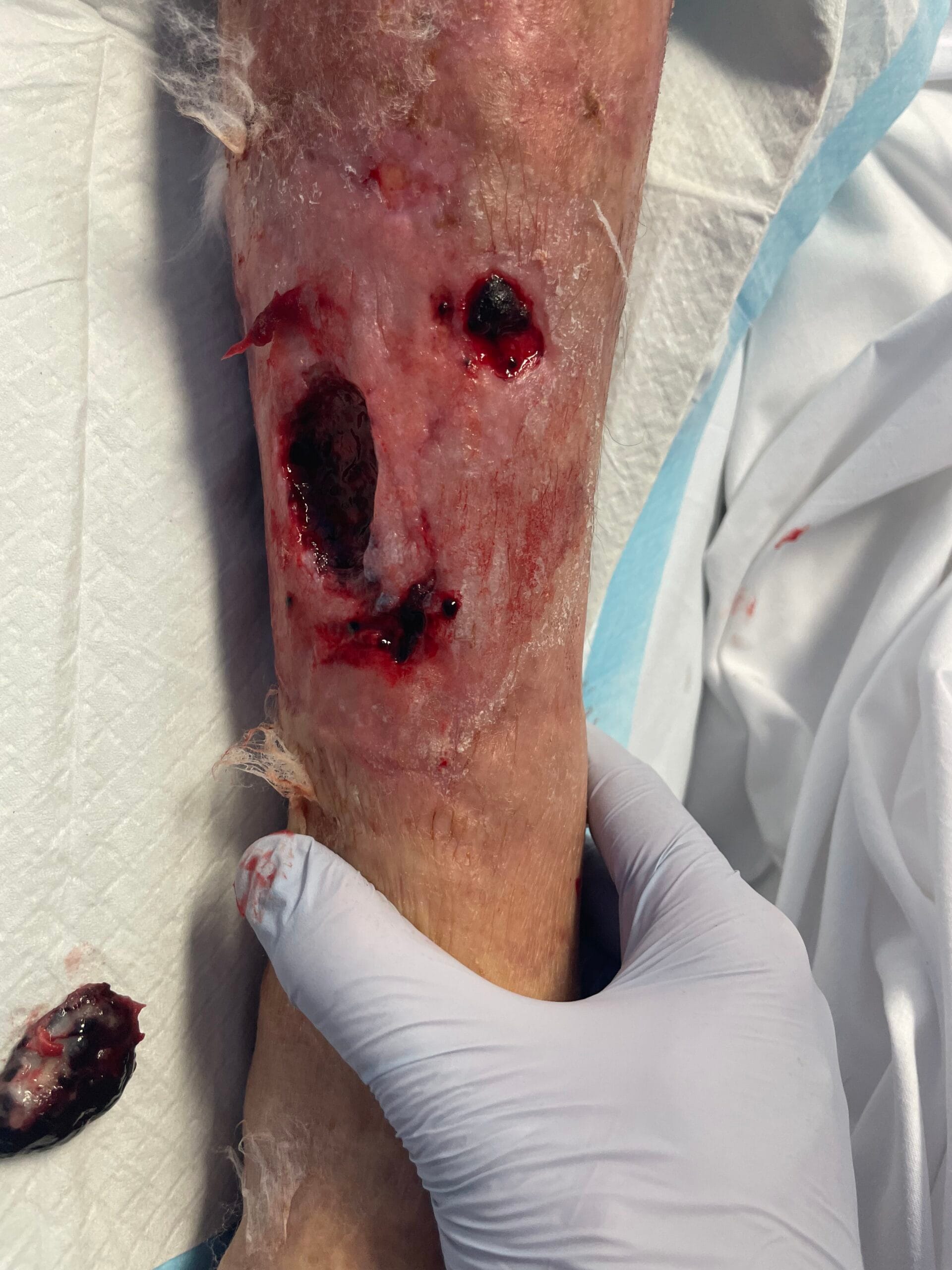
Photo Gallery
Care Plans

Aterial Ulcer - not actively bleeding

After angioplasty (± stent or ballooning), adequate blood flow is typically re-established to the affected area to permit healing. Debridement is commonly undertaken at the time of the procedure.

 Swipe 
Step 1

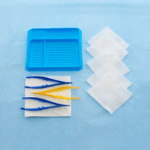
Prepare Sterile Field

Prepare the sterile dressing pack and aseptically unpack sterile products onto the field.
Products Used
Step 2

Clean wound bed

Cleanse the wound bed thoroughly to remove residual clots and debris from initial angioplasty-related debridement.
Products Used
Step 3

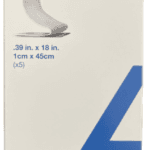
Apply aquacel ribbon

Insert Aquacel ribbon into the wound bed. If multiple ribbons are required (greater than two), join them and ensure this is documented.
Products Used
Step 4

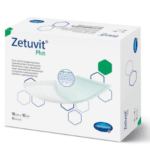
Apply Zetuvit

Apply Zetuvit
Products Used
Step 5

Secure

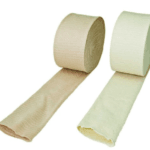
“Secure using either cotton and crepe bandaging, Tubifast, or a tubular bandage as appropriate.
Products Used

Arterial Ulcer - Actively Bleeding

If Bleeding occurs when the dressing is taken down.

 Swipe 
Step 1

Prepare Sterile Field

Prepare the sterile dressing pack and aseptically unpack sterile products onto the field.
Products Used
Step 2

Clean wound bed

Perform thorough wound bed cleansing while preserving any existing clots from prior angioplasty-related debridement.
Products Used
Step 3

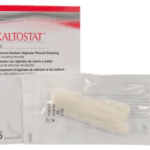
Apply keltostat

Pack Kaltostat into the wound. A slight overpacking may be required as the dressing will shrink on contact with fluid, providing gentle pressure to the wound base.
Products Used
Step 4

Apply Zetuvit

Monitor Zetuvit for excessive bleeding. Avoid removal where possible; reinforce with increased digital pressure or cotton and crepe bandaging.
Products Used
Step 5

Secure

Apply cotton bandage with crepe to achieve directed pressure over the wound bed, with ongoing neurovascular observations to ensure adequate perfusion and prevent a tourniquet effect.
Products Used
You’re viewing our EULA. To continue using the site, please accept the EULA (version 2026-01-07).
Decline