
Wound Care Plan

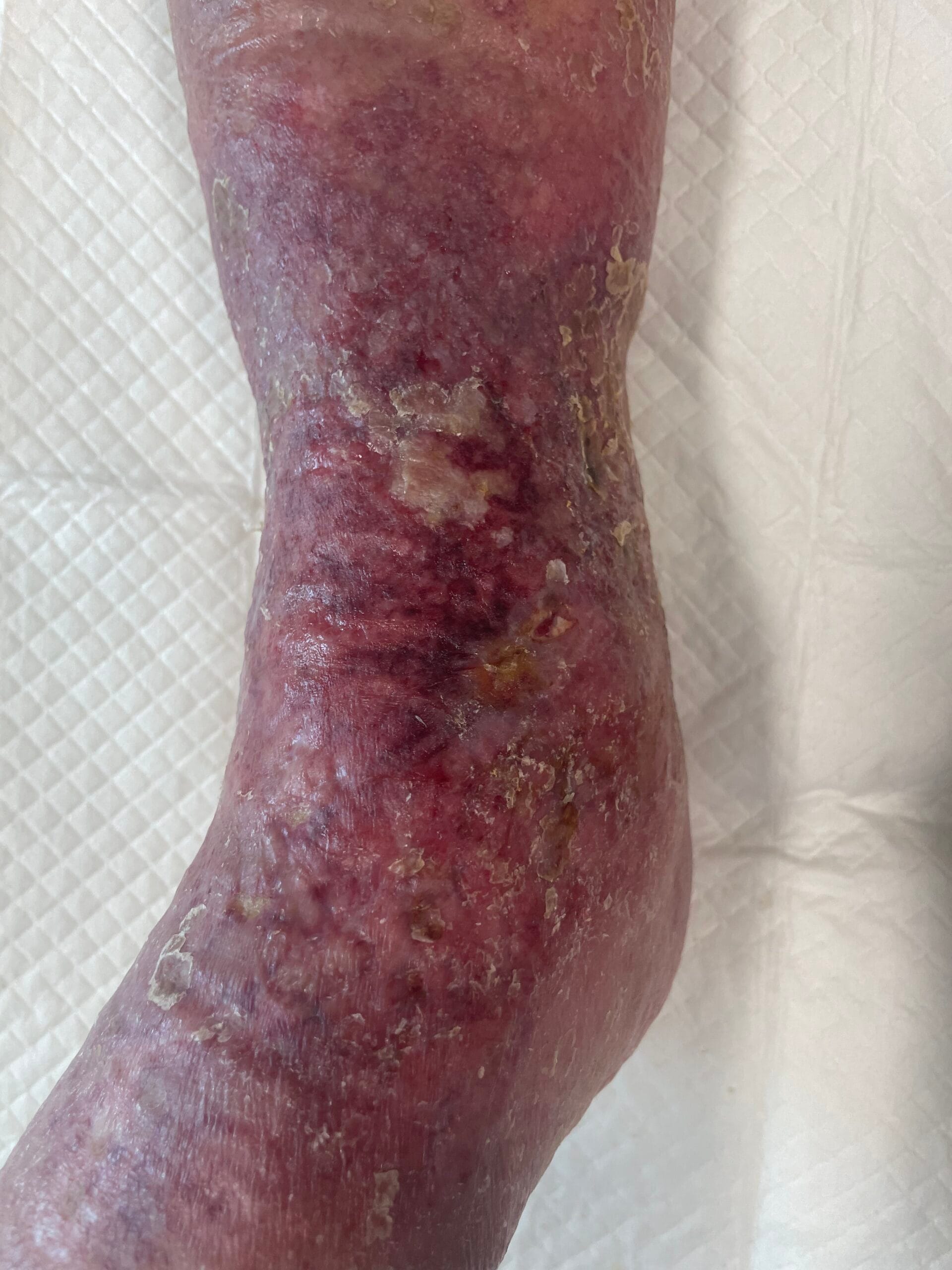
Epidermal Breakdown

Last Updated
15 April 2026

Quick Overview

Reference ID Number: WL-WCP-20

Categories

Scope of Practice (ScOP) Designation

Treatment Goals

To support epithelial cell growth.

Aim of Dressing

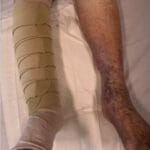
By reducing moisture at the affected area and applying compression, epidermal integrity may be supported.

Frequency of Dressing Change

Everyday

Consult(s) / Diagnostic Test Required

Arterial and Venous Duplex, Angiogram (after Vascular Surgery Consult) +/- Stenting/Ballooning

Product Selection Disclaimer:

The wound care products being currently used are a suggestion ONLY. They do not take into account your patient's individual needs which you must assess. No funding from medical companies has been provided and wound care products are chosen on their merit and what is available on the NSW Health State Wound Care Contract. Where an exact brand name product is not available we suggest you review the alternative tab or use another wound care product from its category eg. Hydrofibre

Photo Gallery
Care Plans

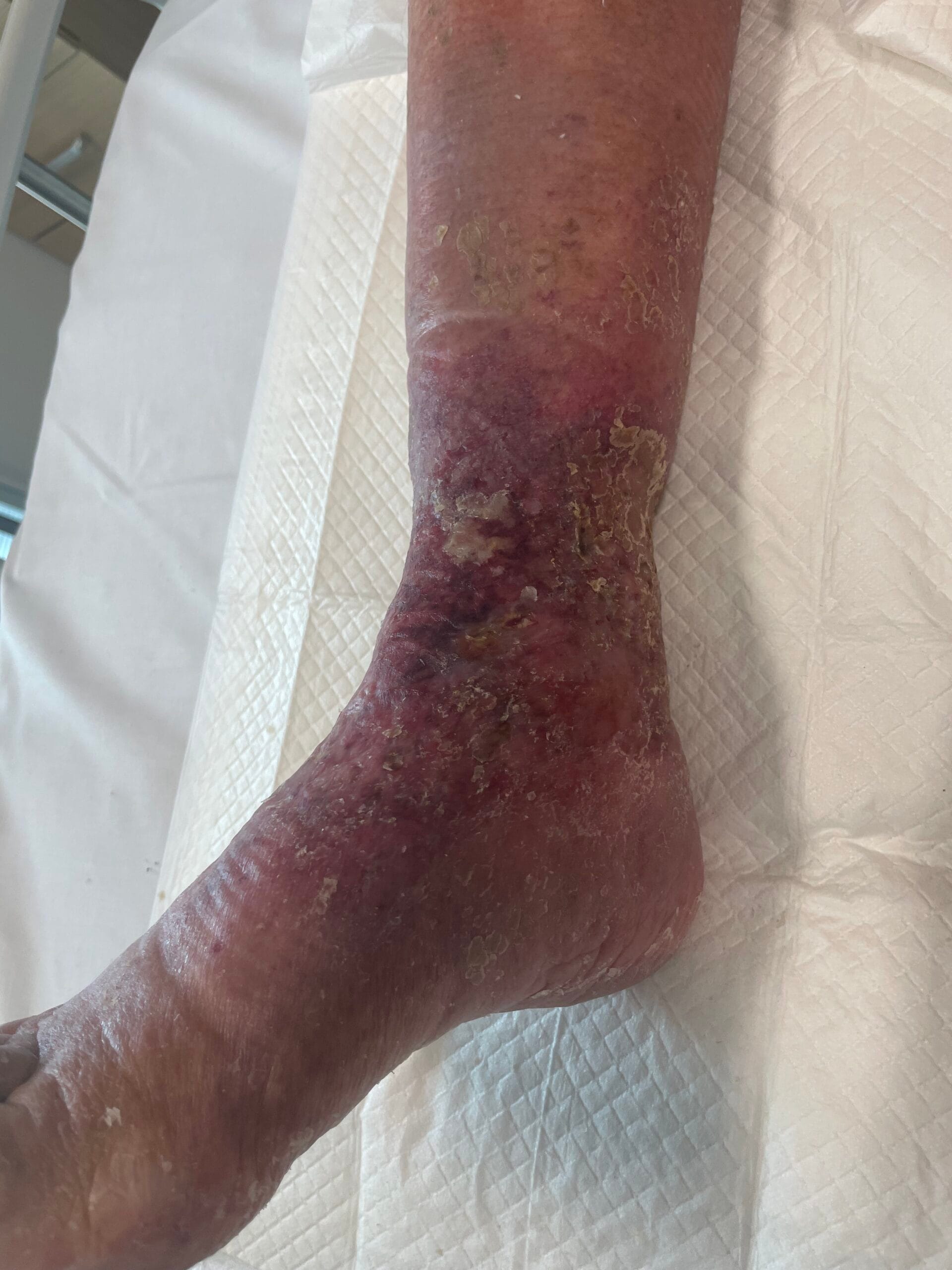
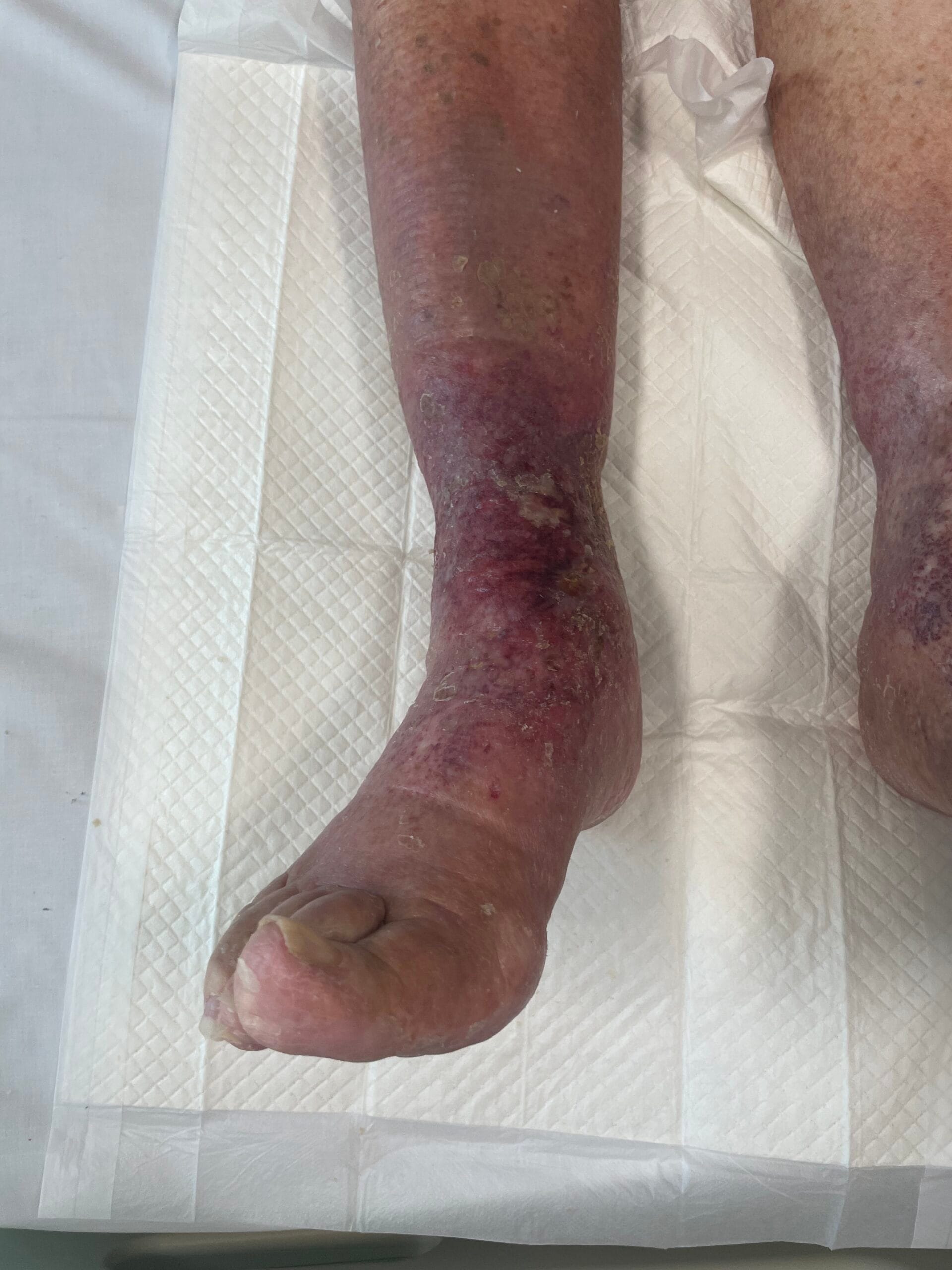
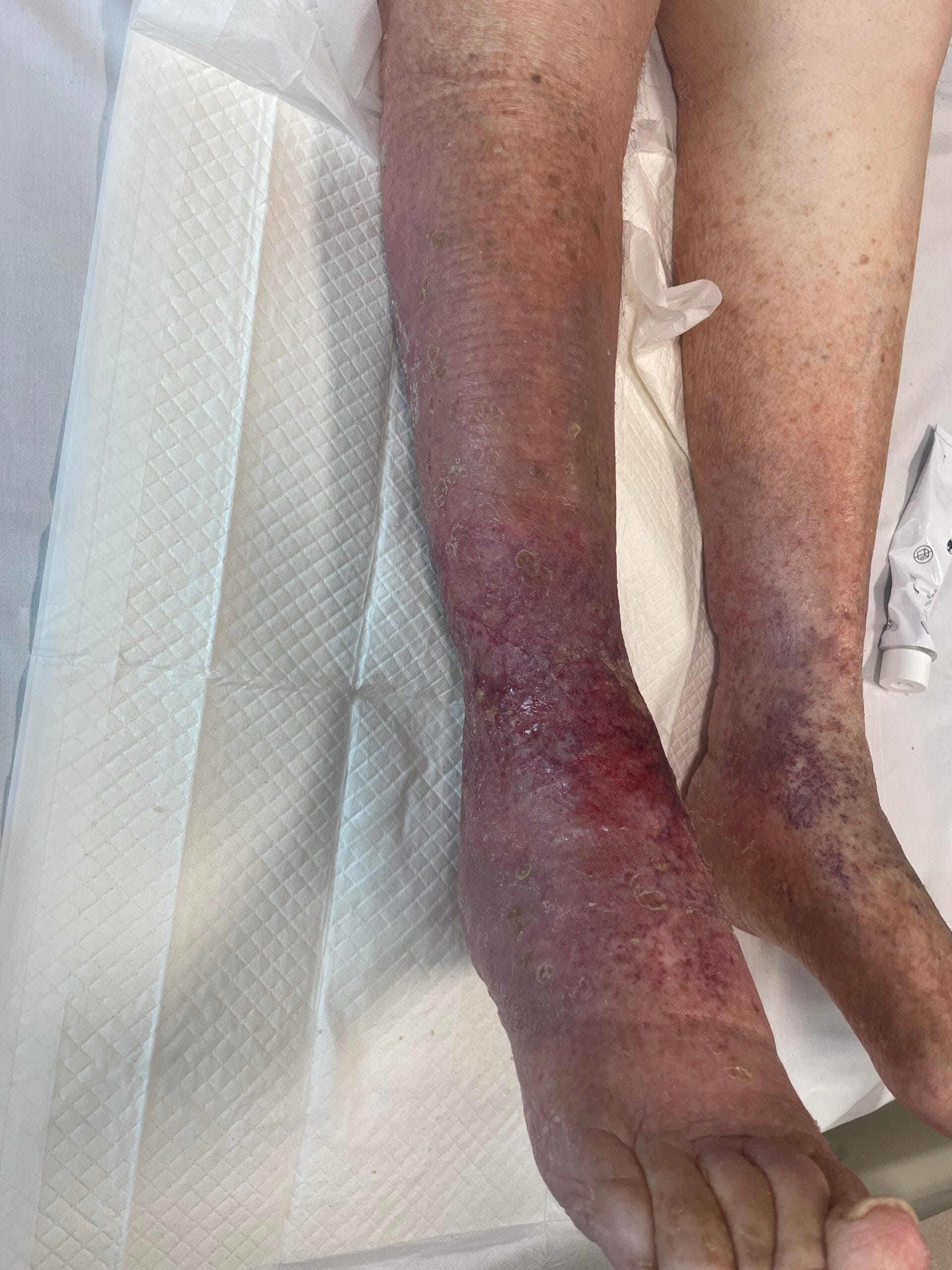
Isolated Epithelial Ulceration

Small focal ulceration present on the distal limb.

 Swipe 
Step 1

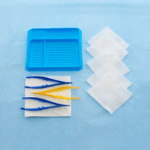
Prepare Sterile Field

Prepare a sterile field and arrange all sterile products using aseptic technique.
Products Used
Step 2

Clean wound bed

Gently cleanse the affected area, as it may be very tender. If the area is very tender consider using a Debrisoft pad
Products Used
Step 3

Apply cream

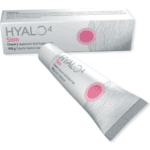
Apply Hyalo4 generously to the affected area.
Products Used
Step 4

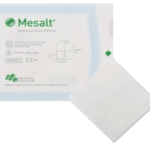
Apply Mesalt to the wound.

Do not be concerned about contact between Mesalt and Hyalo4, as the cream will be absorbed and the dressing will subsequently absorb exudate until the next change.
Products Used
Step 5

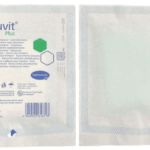
Apply zetuvit

Application of the cream prior to dressing placement may result in adherence of the Zetuvit, as the cream is not absorbed into the pad.
Products Used
Step 6

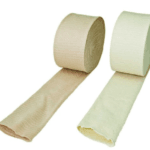
Apply Tubular form

Gently apply tubular form
Products Used
Step 7

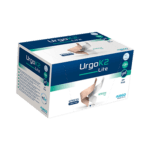
Put on Urgo k2 Lite

Using the printed oval markers as a guide, apply stretch until they form true ovals, indicating appropriate tension. Apply both layers of light compression up the leg with a 50% overlap.
Products Used

Alternate compression to

If Patient Unable to tolerate 20mmHg of compression as described in 'Isolated Epithelial Ulceration' care plan try the following.

 Swipe 

Alternnative (a)

Apply alternative compression

Complete 'Isolated Epithelial Ulceration' up to but NOT including step 6.
Products Used
New Step 6

Apply tubular bandage

f compression bandaging is not tolerated or chosen by the patient, obtain measurements of the forefoot, ankle, and calf, and apply 2–3 tubular bandage sections with ~2 cm overlap, e.g. size B from forefoot to above ankle and size C from ankle to below knee.
Products Used

Once ABI/TPI's have been completed

Following completion of ABI/TBI testing and vascular clearance for compression, the appropriate level of mmHg should be determined and a compression wrap prescribed.

 Swipe 
Alternnative (b) - Long Term

Apply alternative compression

Complete 'Isolated Epithelial Ulceration' up to but NOT including step 6.
Products Used
Alternnative (a)

Apply ' Wrap' (FarrowWrap OR ReadyWrap)

Measurement should be undertaken by a suitably trained clinician to ensure appropriate sizing is selected for the patient.
Products Used
You’re viewing our EULA. To continue using the site, please accept the EULA (version 2026-01-07).
Decline