


Quick Overview
Categories
Scope of Practice (ScOP) Designation
Treatment Goals
To preserve the epidermis and minimise the risk of microorganism colonisation via open wounds.
Aim of Dressing
The dressing does not directly contribute to resolution of cellulitis; the aim is to maintain epidermal integrity while systemic antibiotics take effect.
Frequency of Dressing Change
References
Shopping List
Product Selection Disclaimer:
The wound care products being currently used are a suggestion ONLY. They do not take into account your patient's individual needs which you must assess. No funding from medical companies has been provided and wound care products are chosen on their merit and what is available on the NSW Health State Wound Care Contract. Where an exact brand name product is not available we suggest you review the alternative tab or use another wound care product from its category eg. Hydrofibre
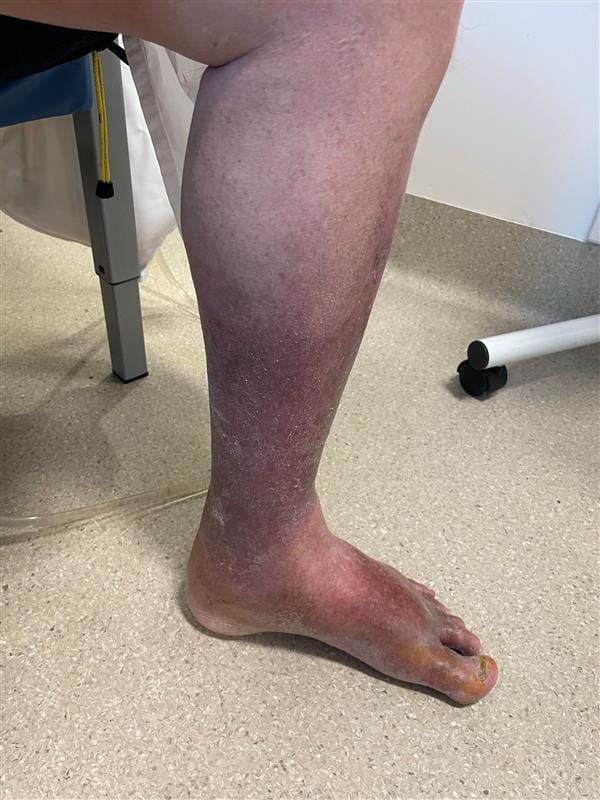
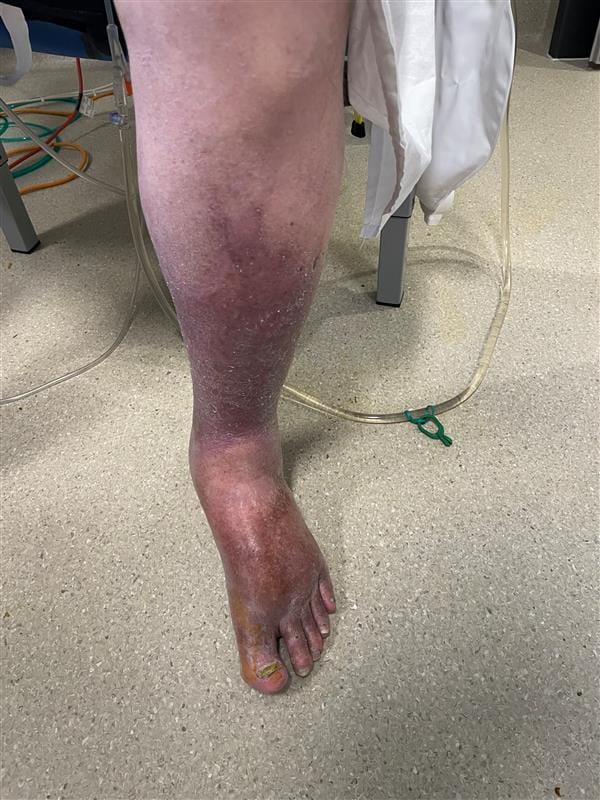
Photo Gallery
Care Plans
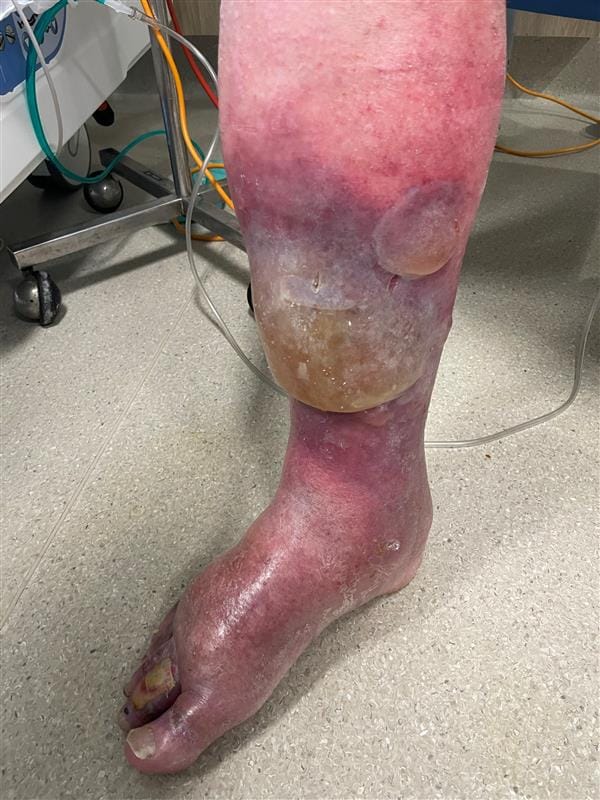
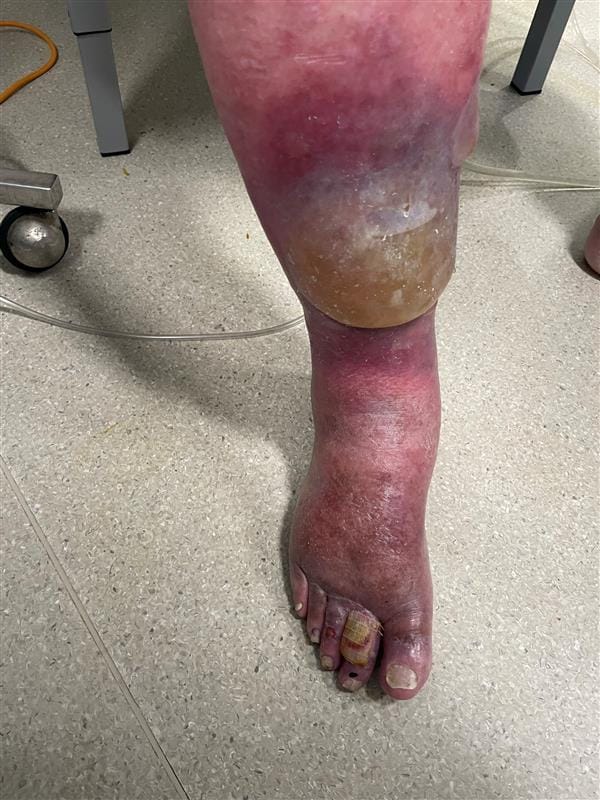
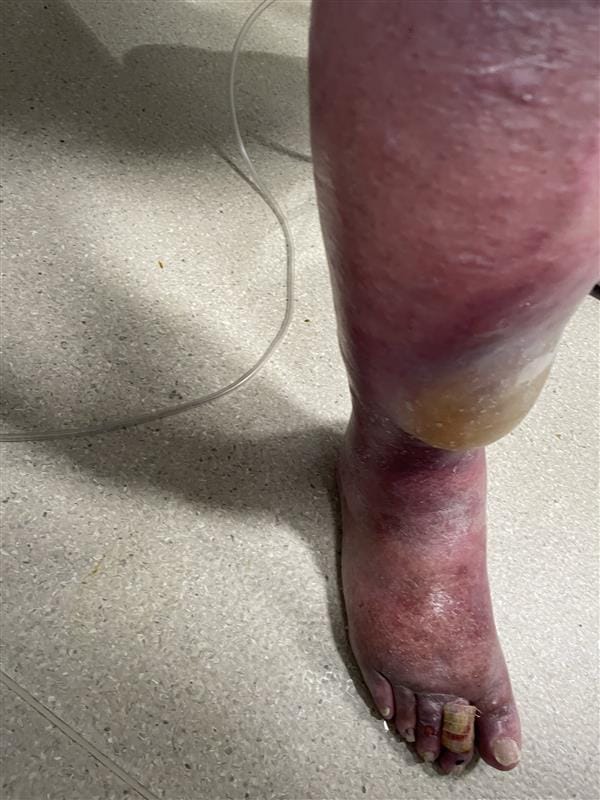
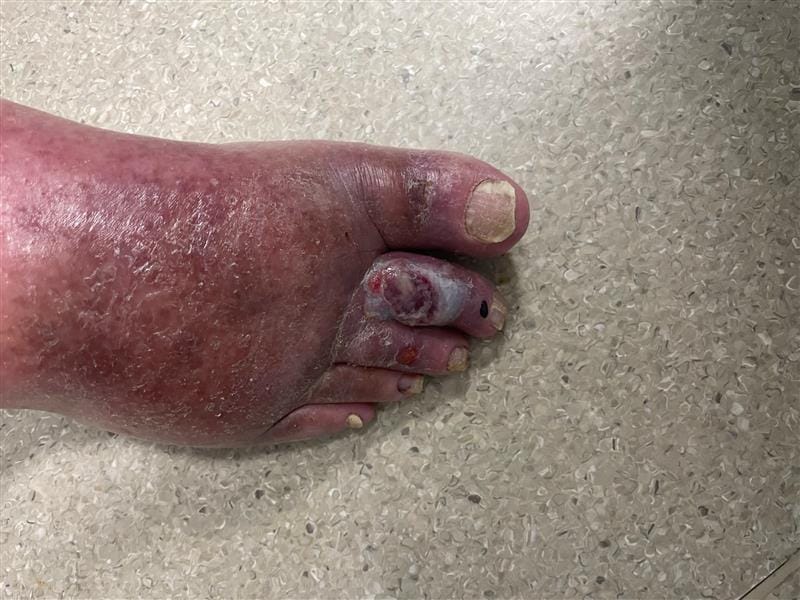
Blistering to whole legs
Swelling of the leg is frequently inflammatory rather than related to venous insufficiency. Cotton and crepe bandaging are used to avoid focal pressure that may lead to blister rupture. Blister lancing practices differ between clinicians. Larger blisters may be multiloculated, which can restrict complete drainage due to internal septations. Some people lance blisters other people don't. In large blisters you may find the blister is made up of many smaller ones. This will inhibit your ability to drain the blister.
Swipe
Clean legs
Setup sterile field

Grab a friend

Don't forget the foot
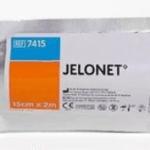
Wrap the leg
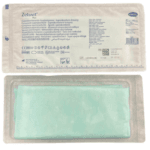
Wrap the leg (part 2)
Elevate those legs