


Quick Overview
Categories
Scope of Practice (ScOP) Designation
Treatment Goals
Maintain a moist wound environment using a low-profile dressing to allow use of appropriate footwear.
Aim of Dressing
Utilise a diabetic wound-specific dressing to assist healing in long-standing diabetic ulcers.
Frequency of Dressing Change
Consult(s) / Diagnostic Test Required
Podiatrist, Vascular Studies
References
Shopping List
Product Selection Disclaimer:
The wound care products being currently used are a suggestion ONLY. They do not take into account your patient's individual needs which you must assess. No funding from medical companies has been provided and wound care products are chosen on their merit and what is available on the NSW Health State Wound Care Contract. Where an exact brand name product is not available we suggest you review the alternative tab or use another wound care product from its category eg. Hydrofibre
Photo Gallery
Care Plans
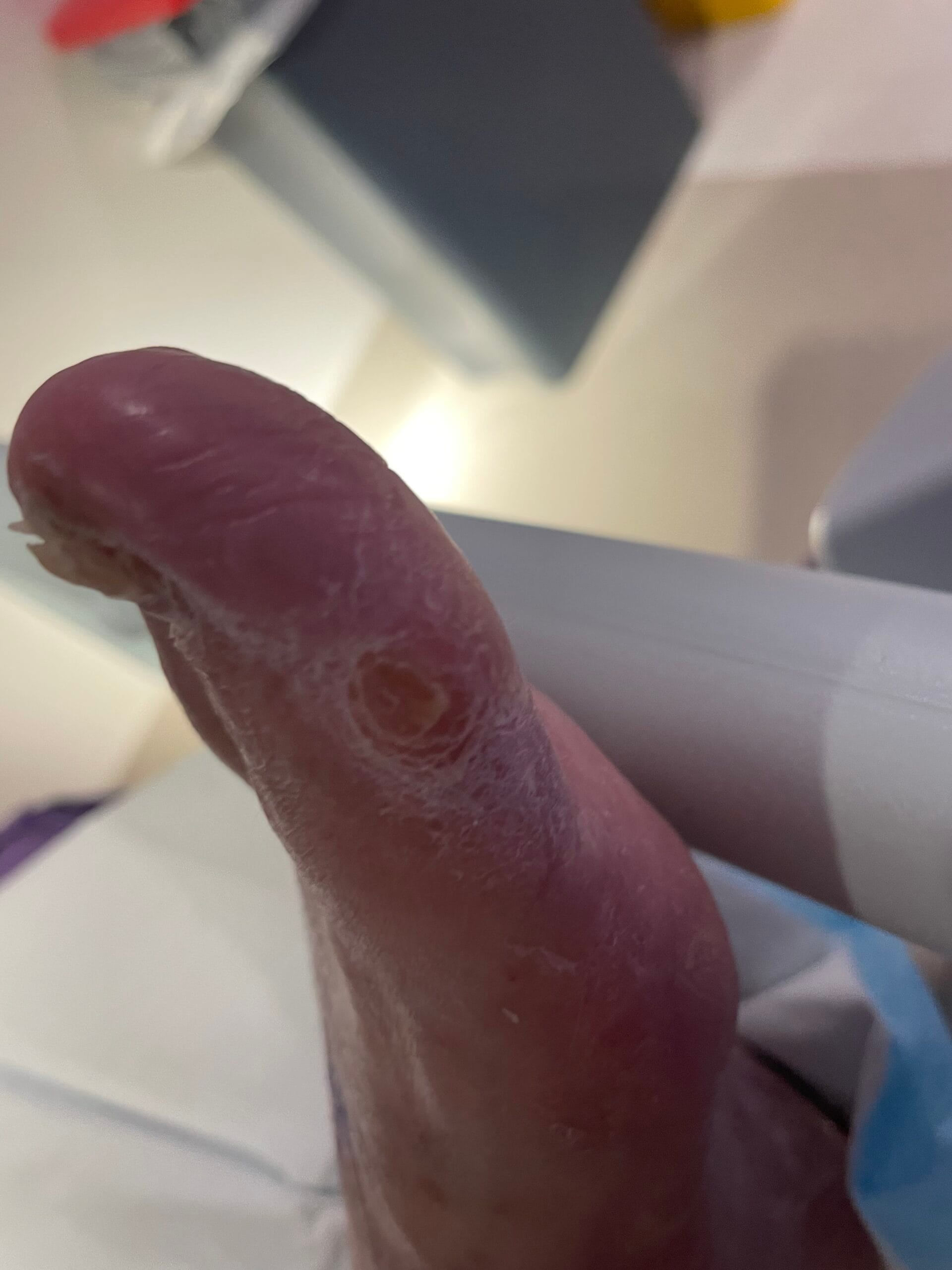
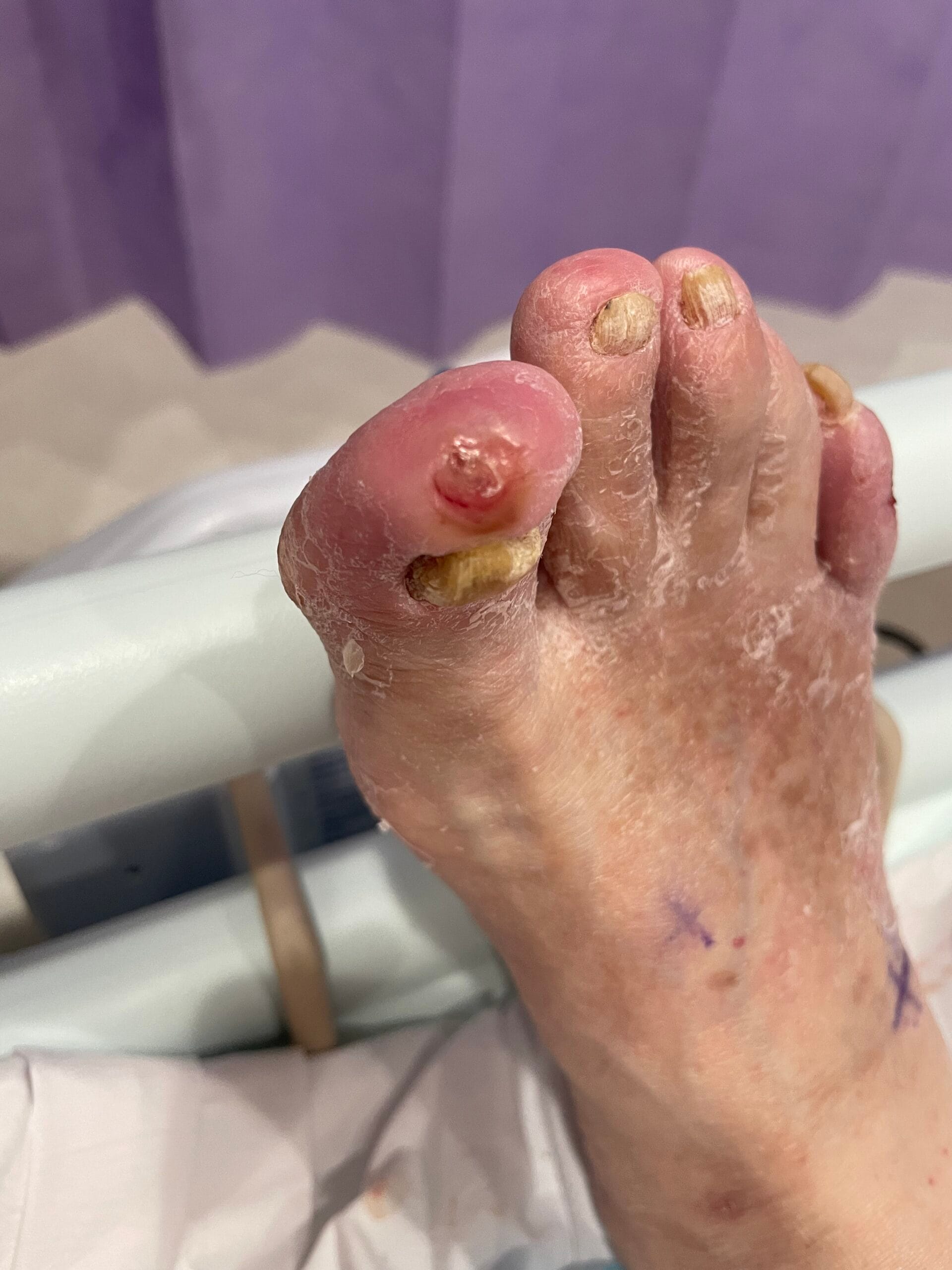
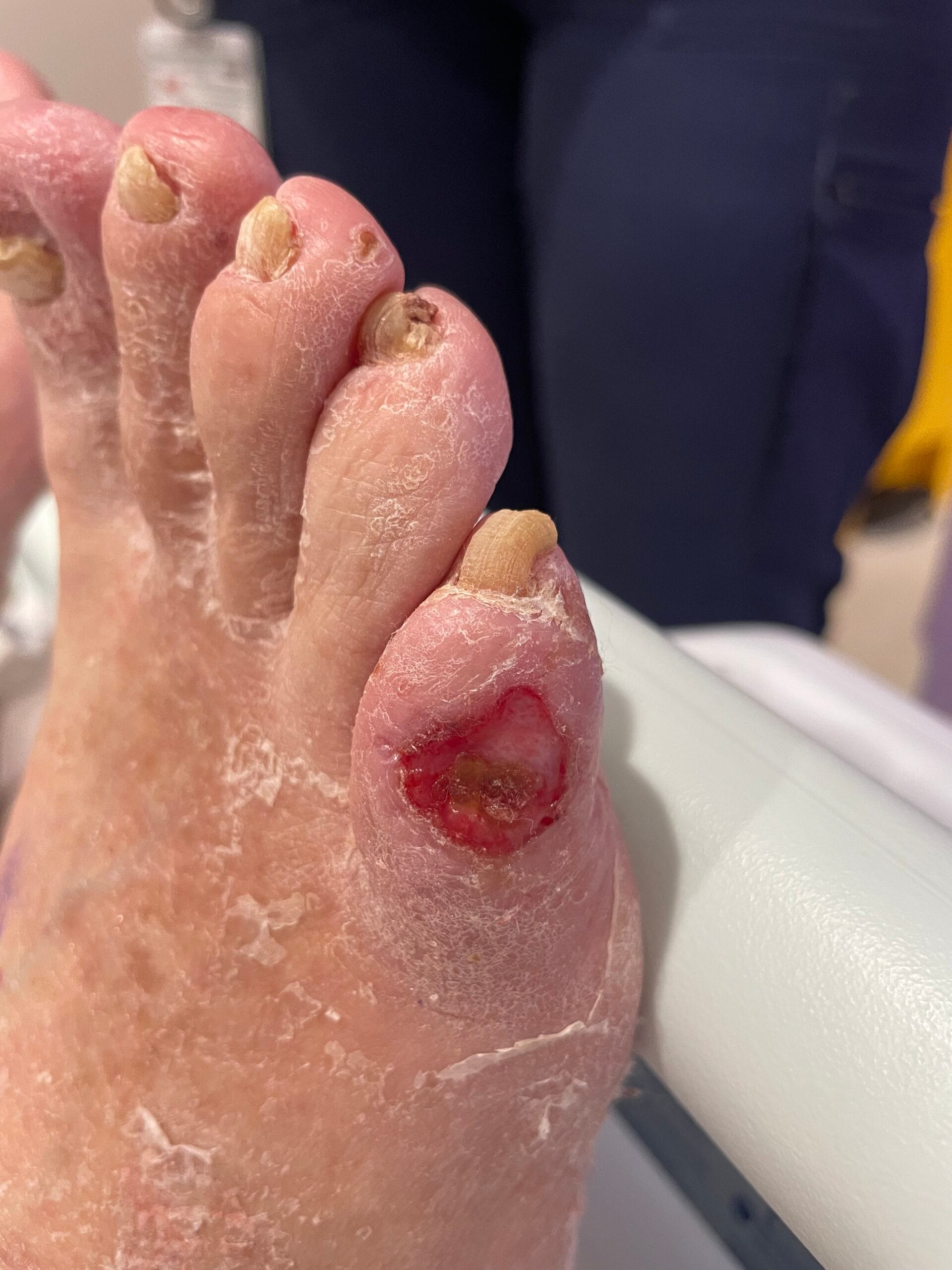
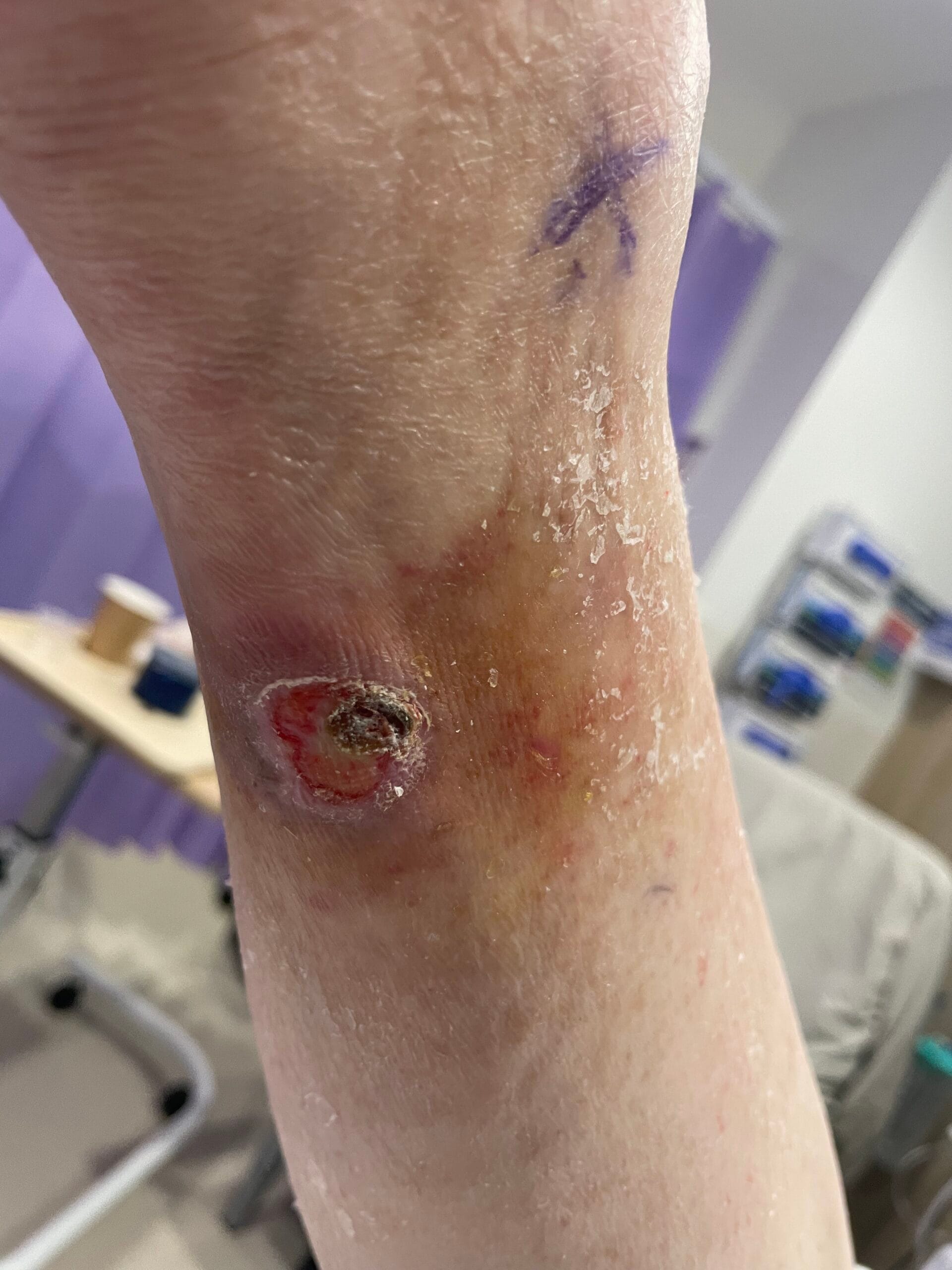
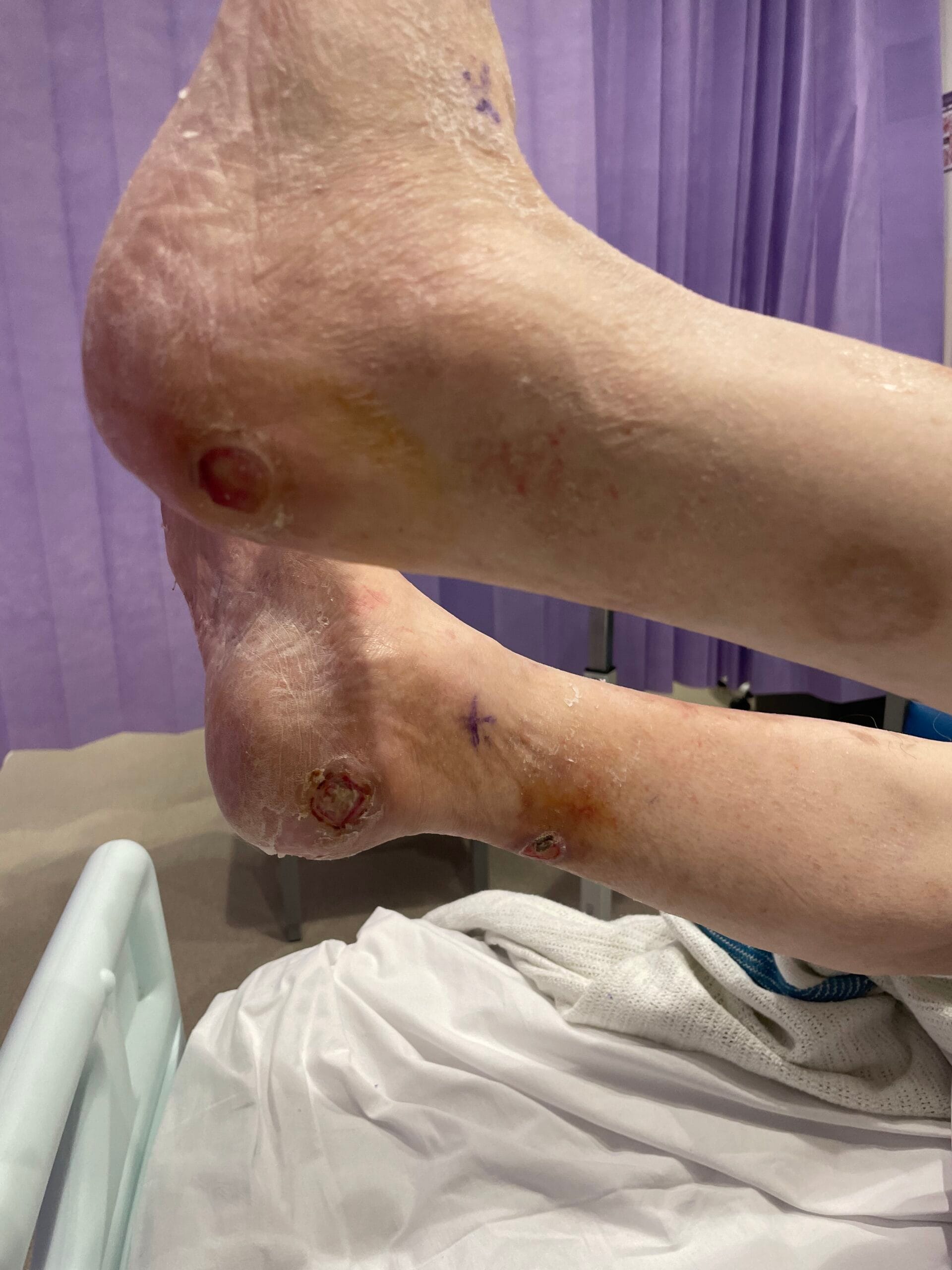
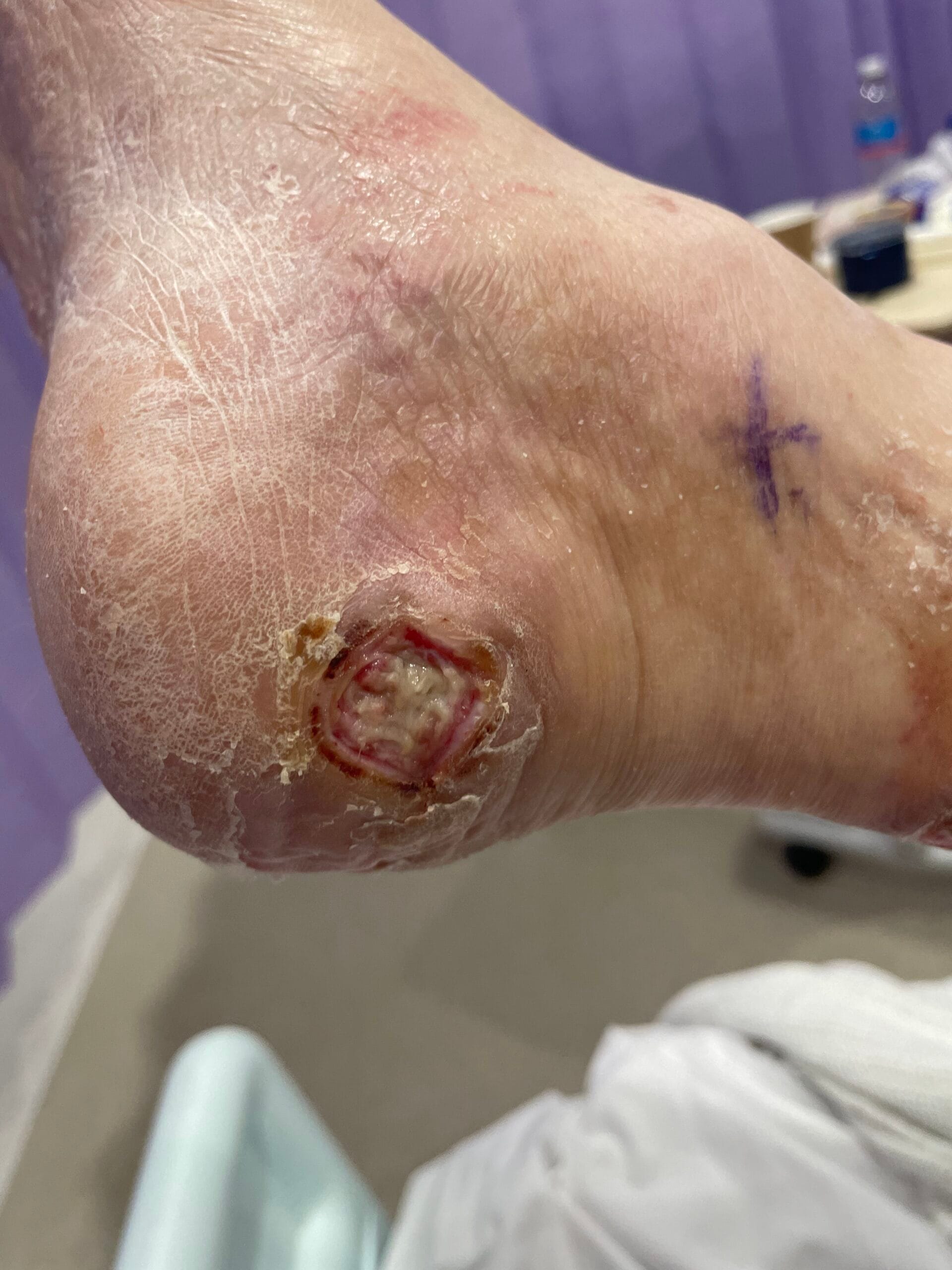
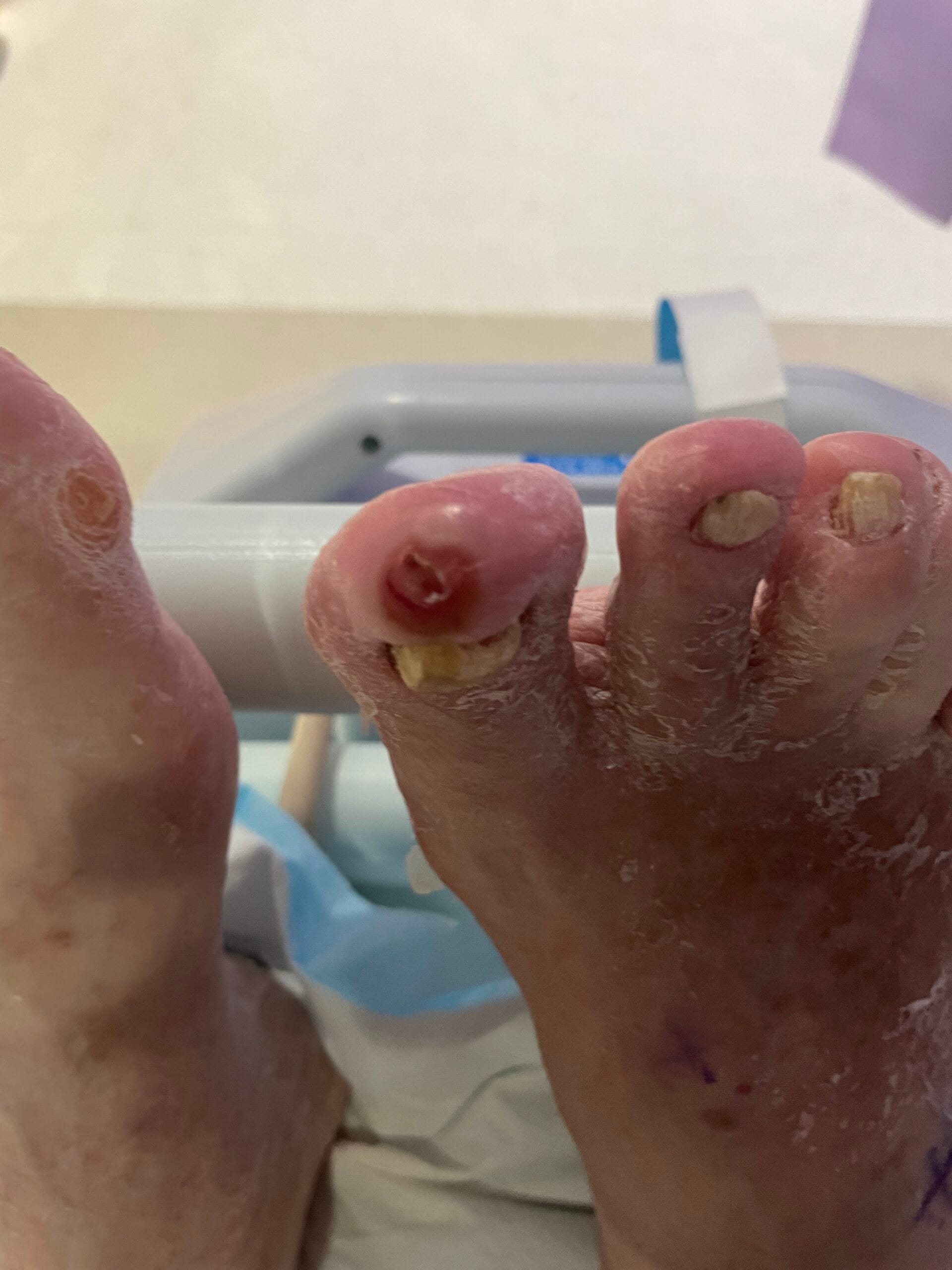
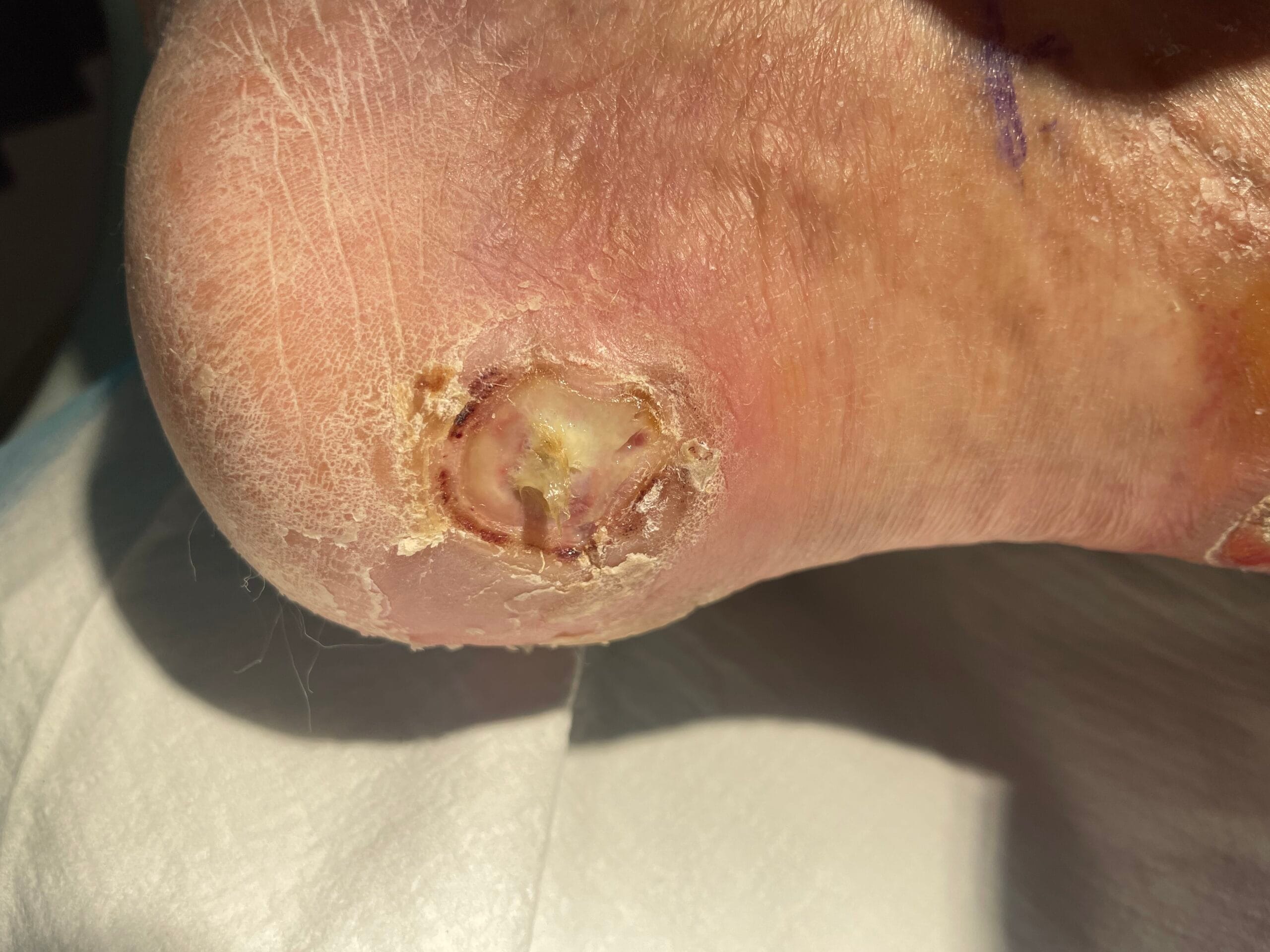
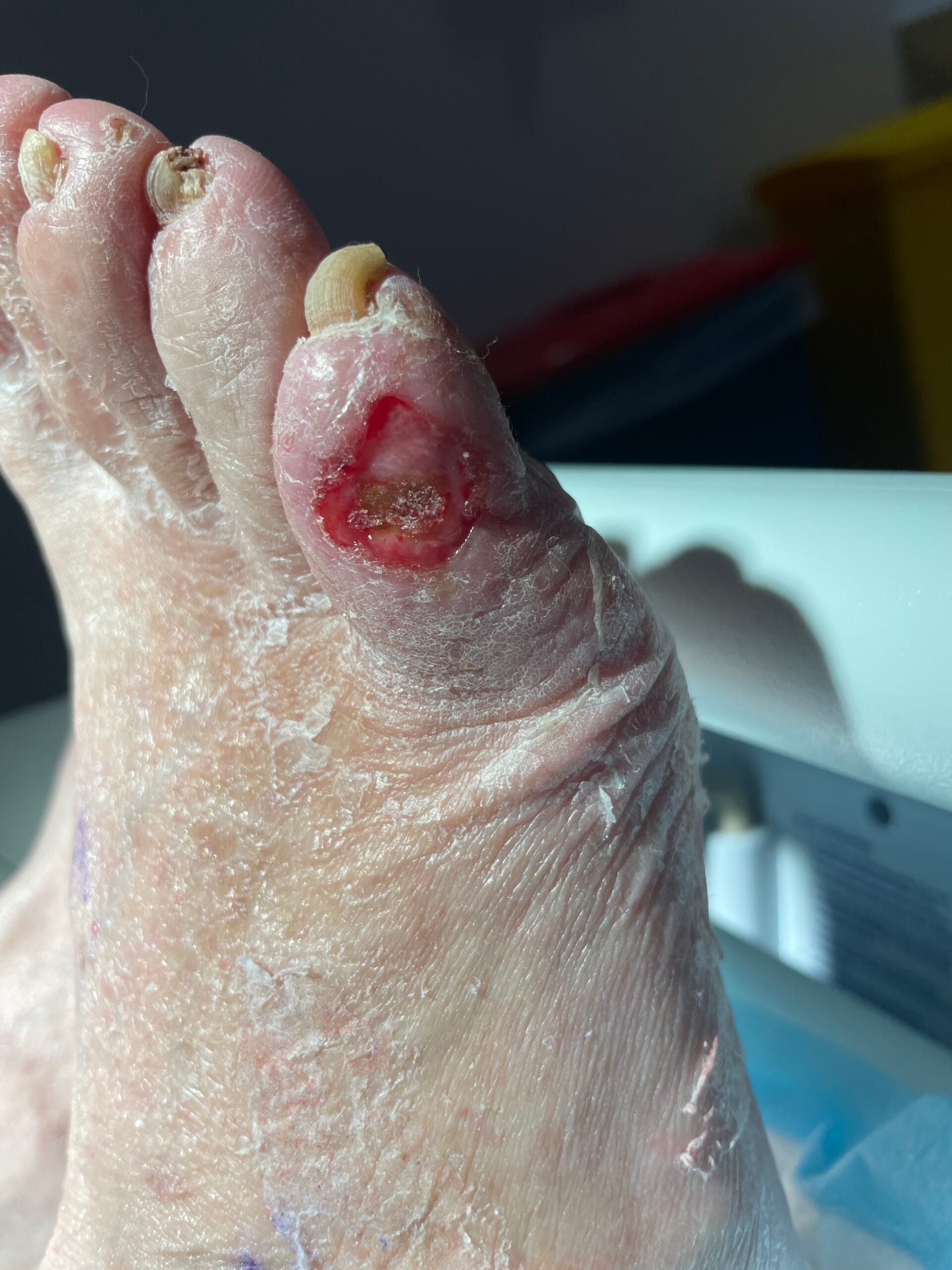
Diabetic foot ulcer
he patient is an elderly male with multiple longstanding foot ulcers that were not receiving active treatment.
Swipe
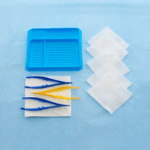
Setup sterile field
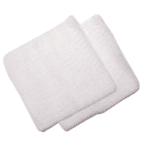
Clean the wound bed
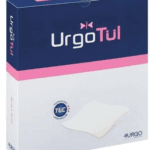
Apply the Urgo Tul
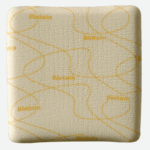
Apply biatain non-adhesive and secure

Paint unbroken areas with iodine